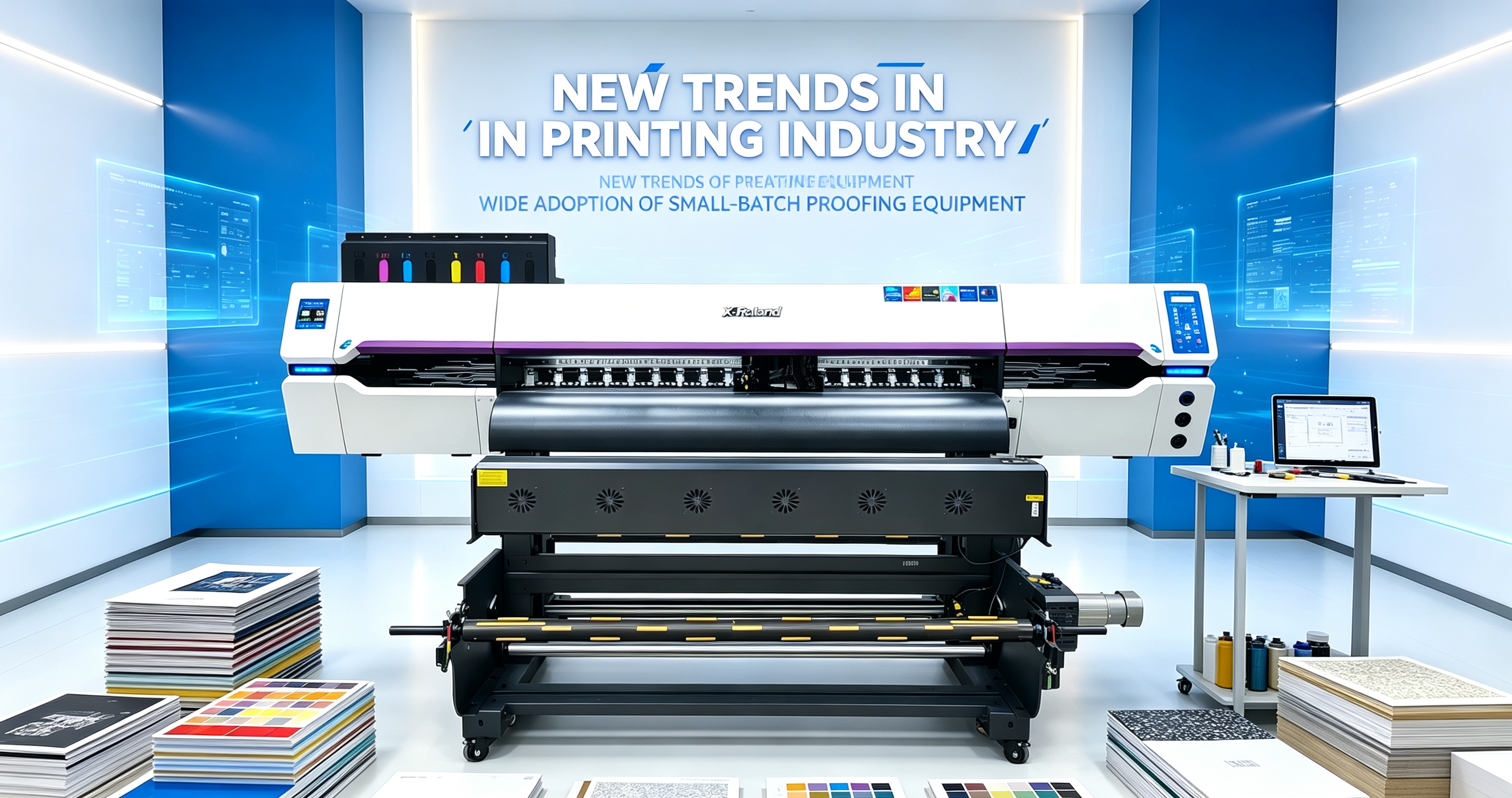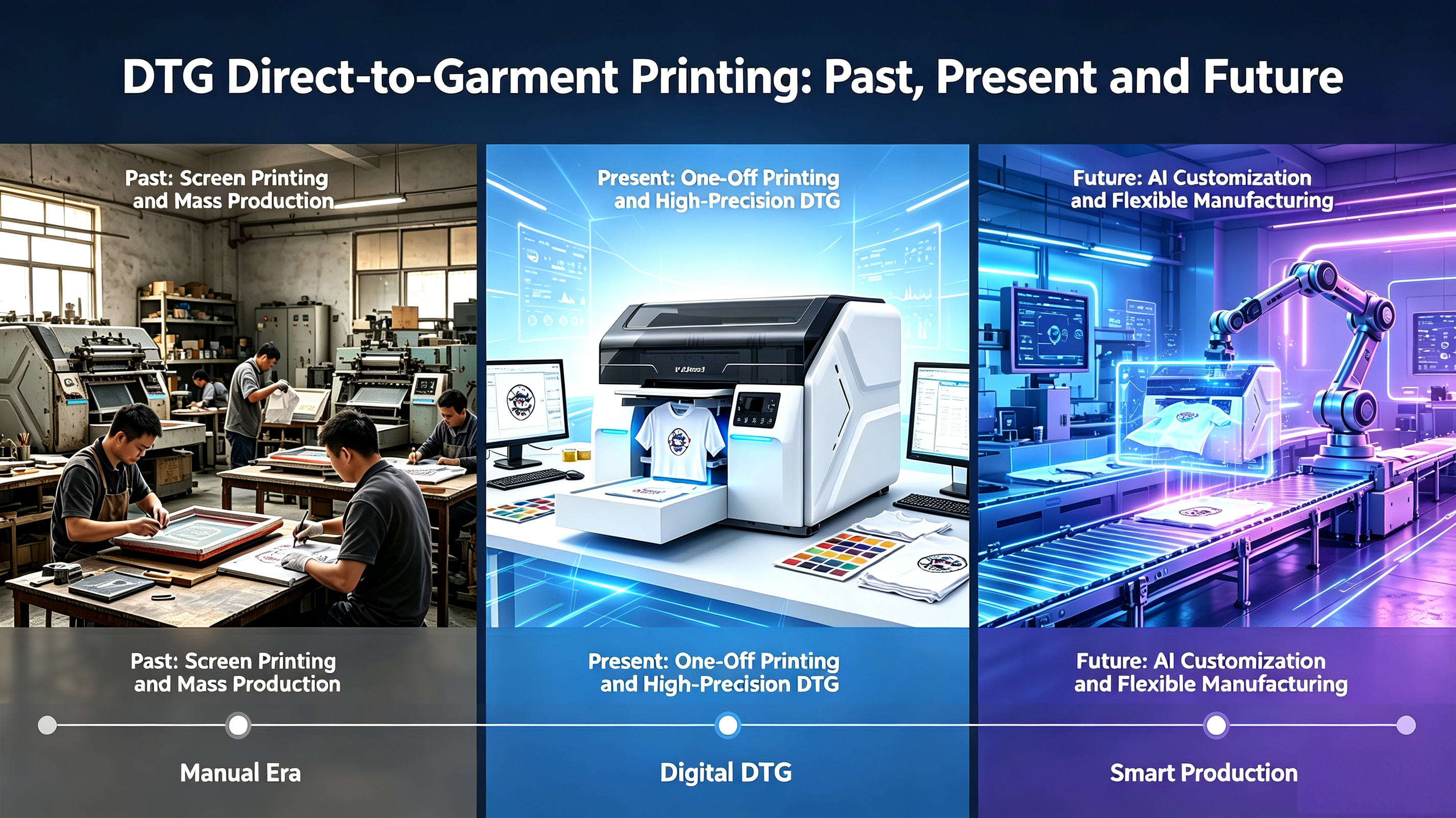
In X-Roland's view, the large-format printer industry in 2026 is being shaped by a broader range of applications and customers seeking more control over production. Equipment development is increasingly focused on the combination of image quality, productivity, customization and practical operating requirements.
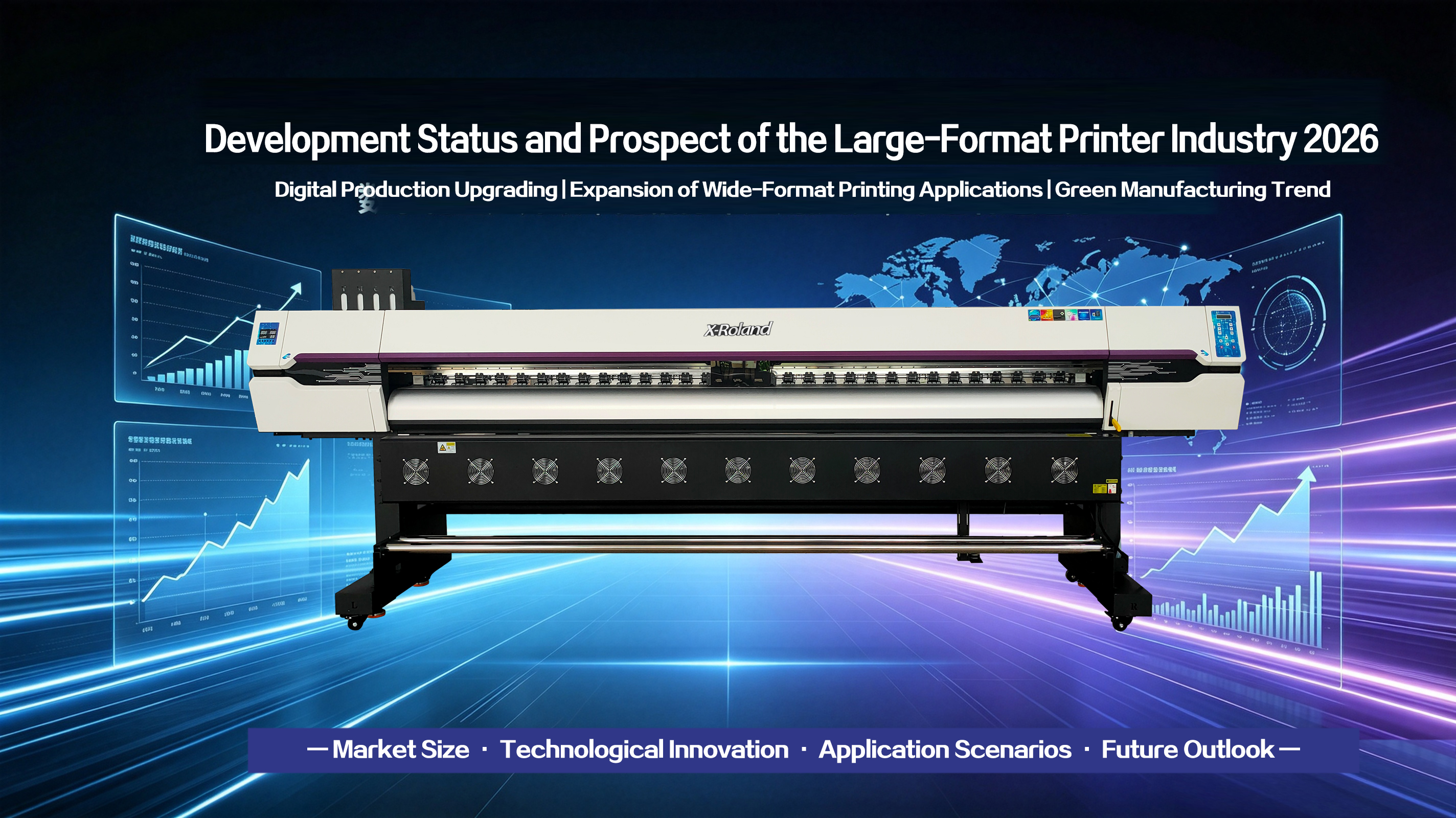
Large-format printing connects advertising, technical graphics, decoration and personalized production.
More Work Moving In-House
Advertising businesses, retailers, schools and other organizations can use large-format equipment to produce posters, display boards, engineering drawings and decorative graphics within their own operations. For suitable workloads, in-house production can offer greater control over timing and revisions. Whether it saves money depends on utilization, staffing, consumables and the cost of the alternative service.
The range of applications continues beyond conventional advertising. Personalized wall murals, exhibition graphics, apparel-related work and small-batch decorative projects create additional ways to use printing equipment. Designers, creators and businesses developing their own visual identities also contribute to demand for customized output.
Equipment Development Across Applications
Manufacturers are developing systems around higher productivity, fine image detail and application-specific configurations. Guangzhou Jihui Electronic Equipment Co., Ltd. continues to develop its X-Roland range of UV printers, eco solvent printers and textile-printing systems for these different requirements.
Our focus includes both established production applications and small-batch customization. Software, automation and emerging AI-assisted tools may support faster development and more coordinated workflows, but their value should be assessed against a real production task.
Efficiency and Working Conditions
Energy use, odor, material compatibility and production waste are important considerations when comparing a printing process. Customers should evaluate the complete configuration, including ink, curing or drying, ventilation, media and operating procedures. A general environmental claim cannot replace that application-specific assessment.
The Outlook
Price competition remains a challenge, particularly among entry-level equipment. We see opportunities in systems that connect suitable hardware, software and application support, helping customers manage different materials and customized work through a coherent process.
For buyers, the practical question is which applications the equipment will support and how consistently it can deliver them. Define the production requirement first, then compare print quality, realistic capacity, operating costs and supplier support. That approach is more useful than choosing on a single specification or broad market forecast.