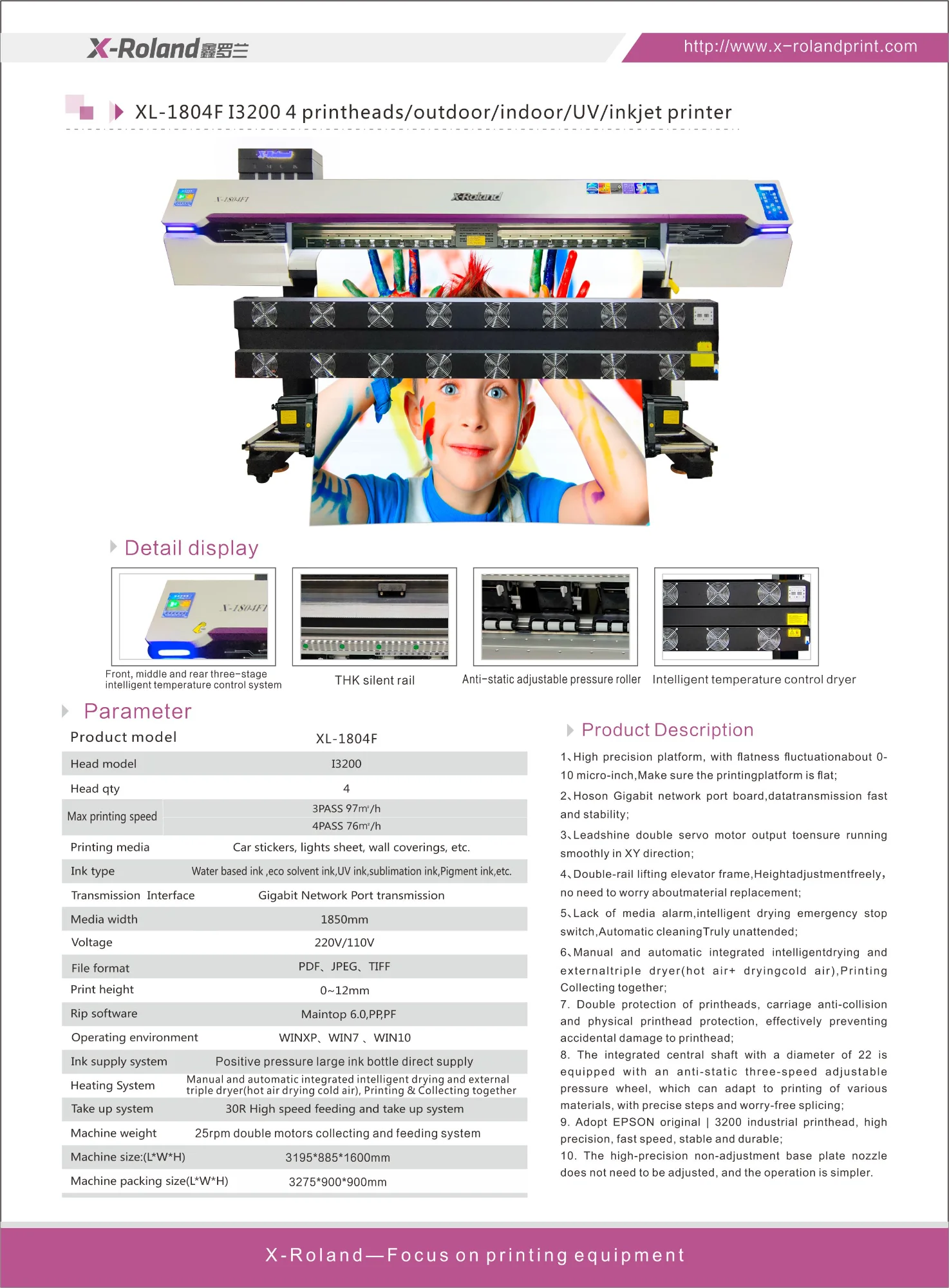
XL-1804F I3200 4 printheads outdoor indoor UV inkjet printer Overview
The XL-1804F I3200 4 printheads outdoor indoor UV inkjet printer is designed for businesses that need a practical way to produce large graphics on roll media without relying on fragmented outsourcing. For print shops, sign makers, and display producers, the main challenge is often balancing output volume, media flexibility, and consistent image quality across long production runs. This type of large-format roll-to-roll printer addresses that need by supporting continuous printing for banners, posters, signage, exhibition graphics, and similar applications where a stable production workflow matters.
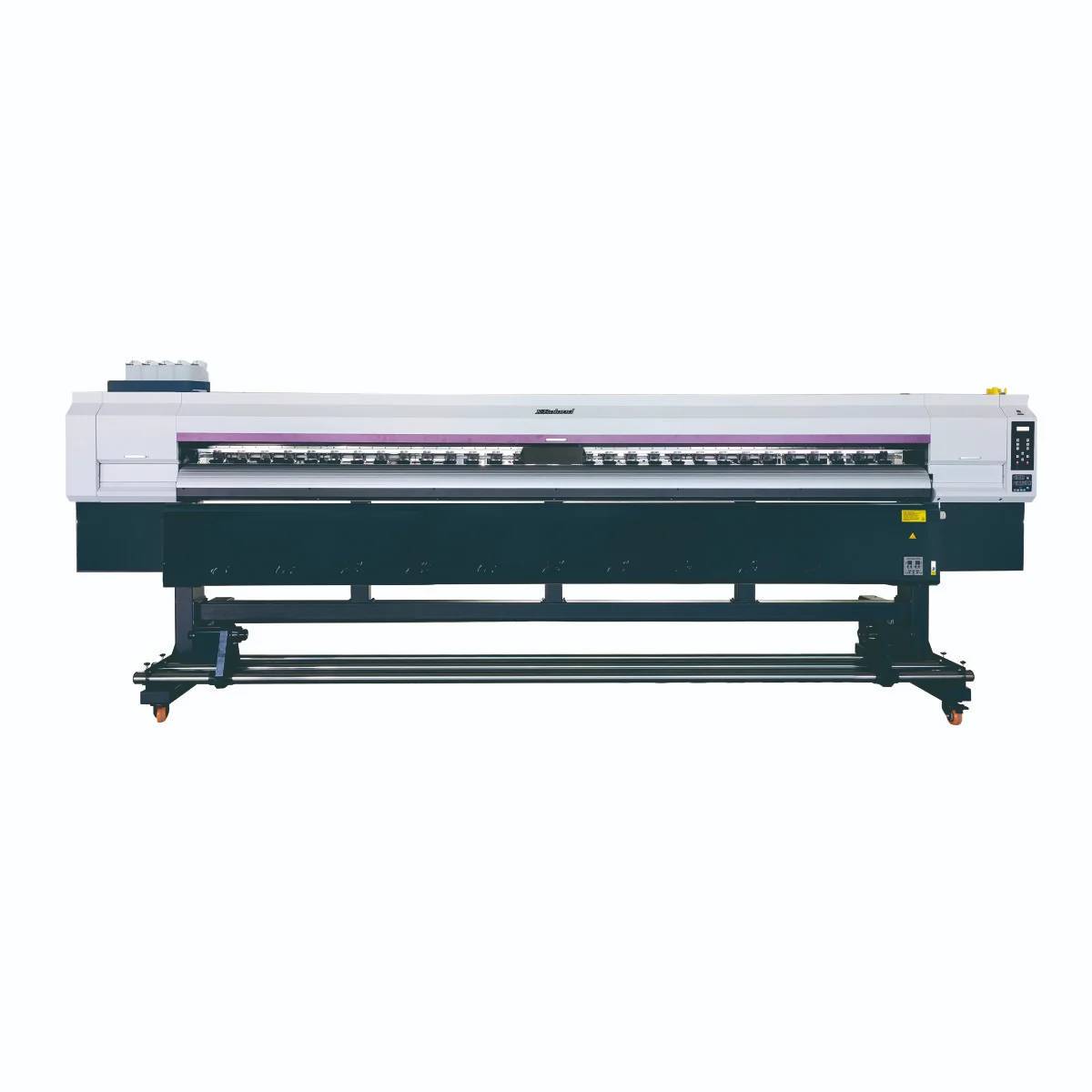
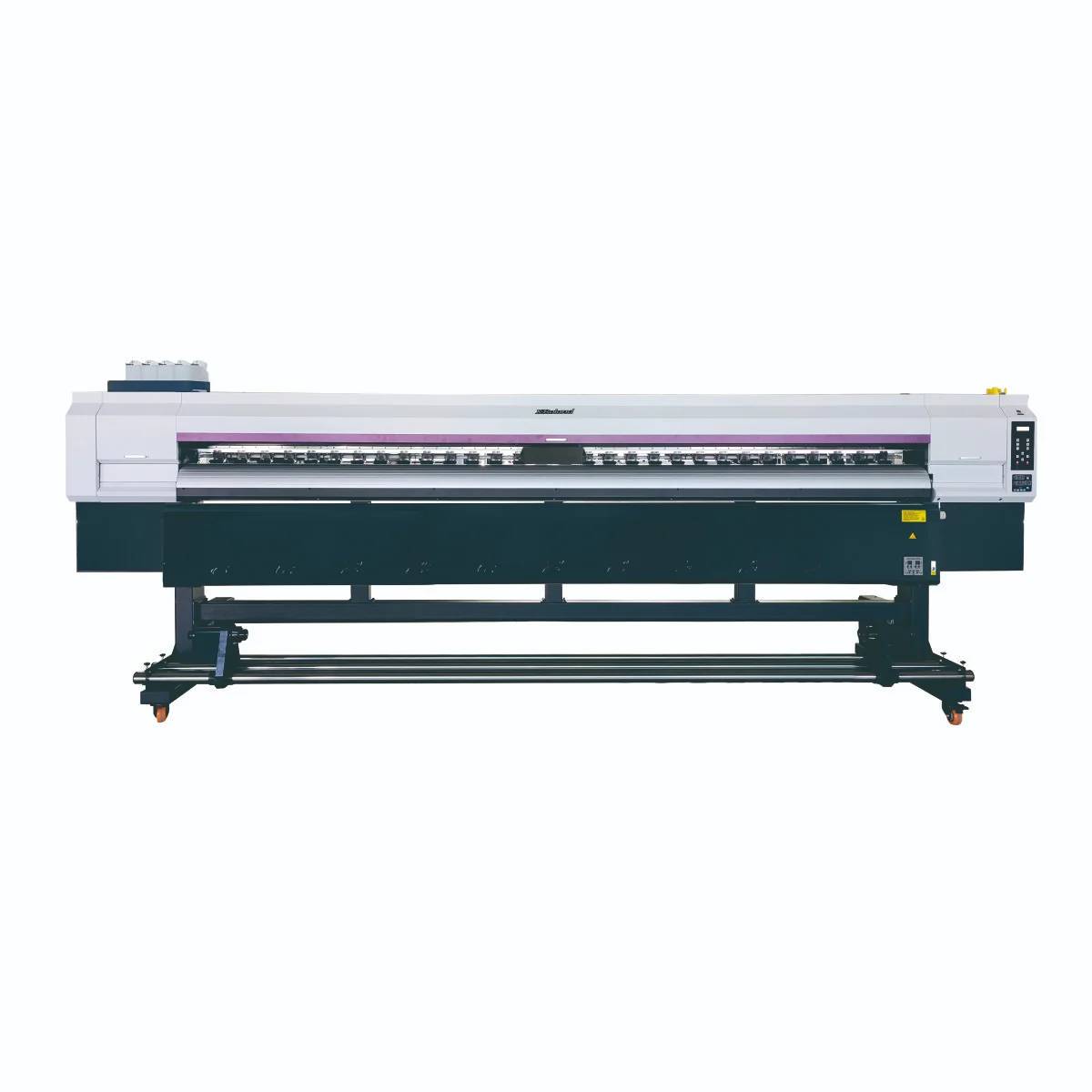
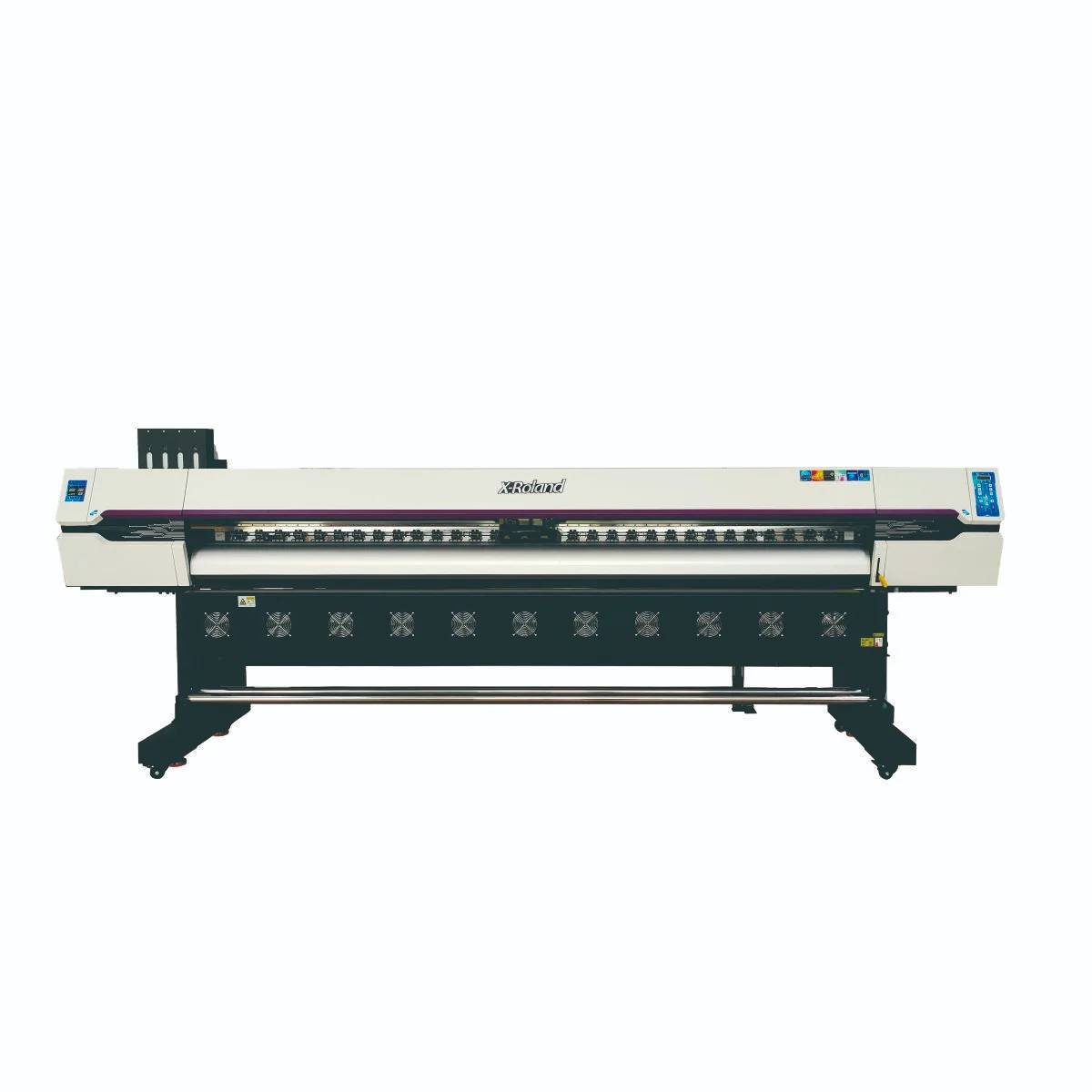
From the visible machine structure, this is a production-style wide-format printer with a long horizontal carriage, feed and output rollers, and a control panel on the right side. The layout suggests it is built for regular use in a graphics production environment rather than occasional desktop printing. Because the exact ink system and print specifications are not fully verifiable from the available information, it is best described as a large-format inkjet printer platform intended for indoor and outdoor graphics production, with UV mentioned in the product name and general inkjet use reflected in the visible design.
Product overview
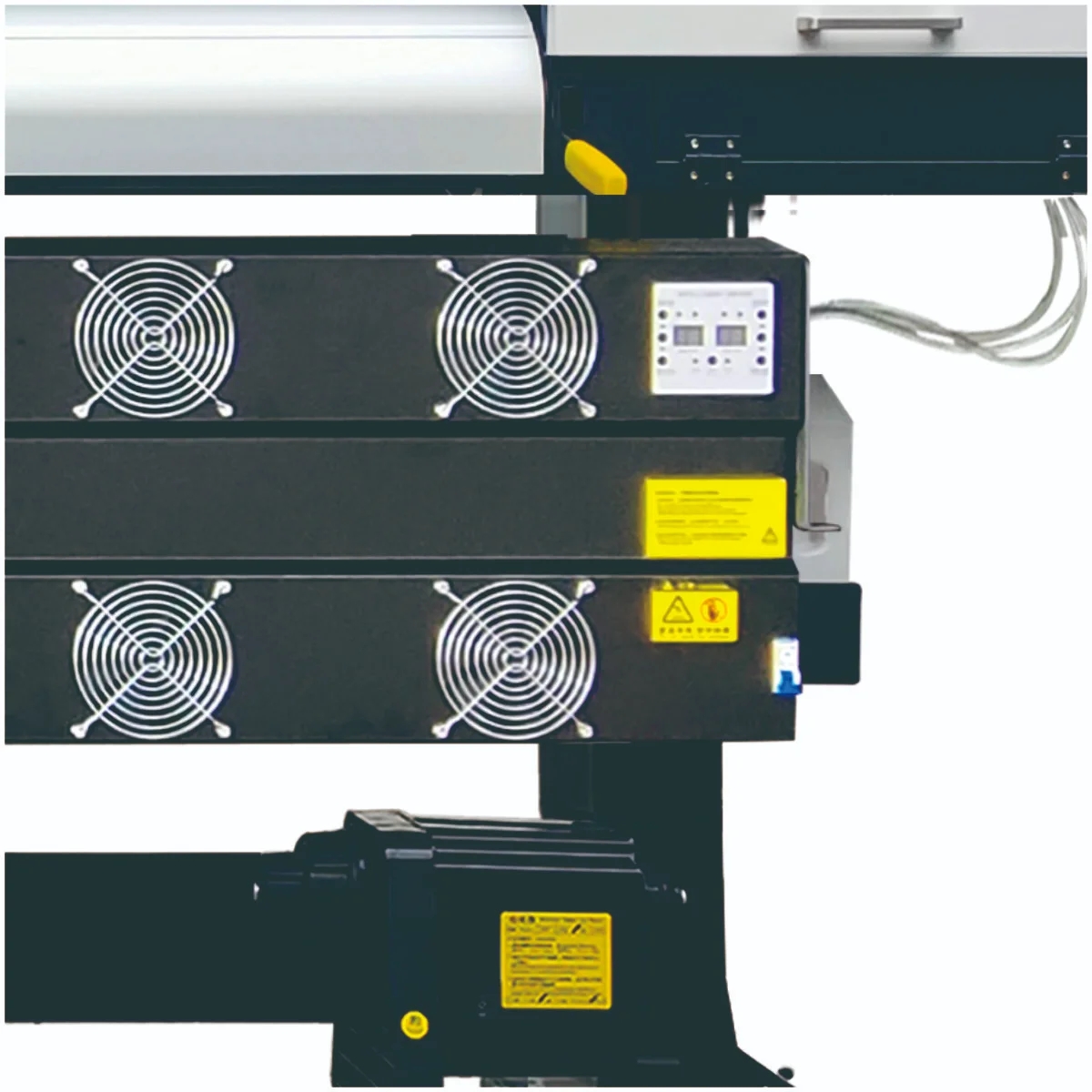
This machine is a roll-to-roll printer built around continuous media handling. A roll of flexible substrate passes through the print zone, allowing long runs of printed film, vinyl, banner material, or other compatible graphics media. That makes it suitable for shops that want to move from one-off jobs to more repeatable production work. The visible housing, frame modules, and multiple cooling fans indicate a system designed to support extended operation and heat management during printing.
In practical terms, the printer is meant to help buyers solve three common problems: limited output capacity, inconsistent quality on long jobs, and the need to cover both indoor and outdoor graphic work from a single production line. For a buyer comparing wide-format equipment, the most important question is not only what it can print, but how reliably it can keep media moving, maintain alignment, and integrate into daily shop workflow.
Key specifications and capabilities
Visible machine characteristics
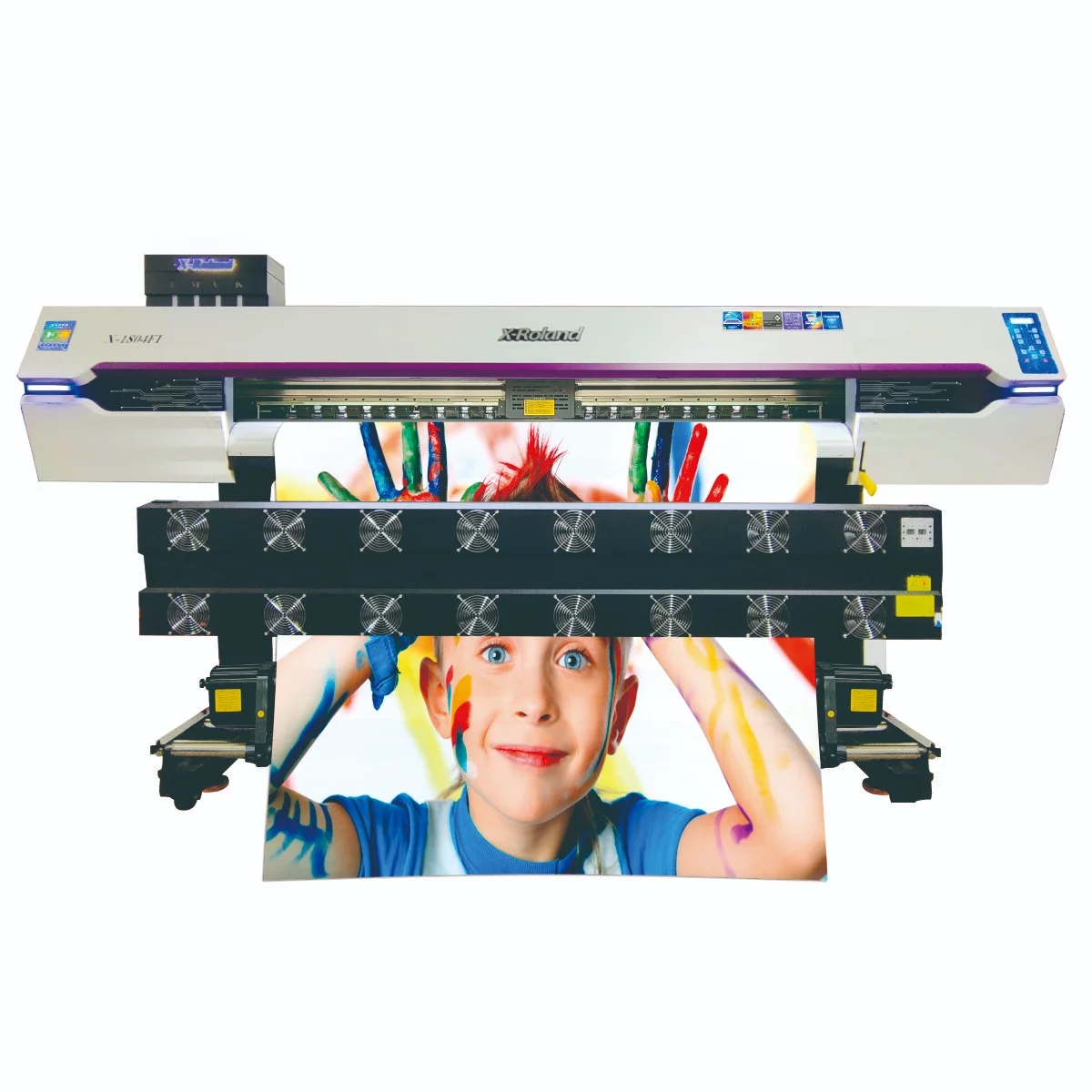
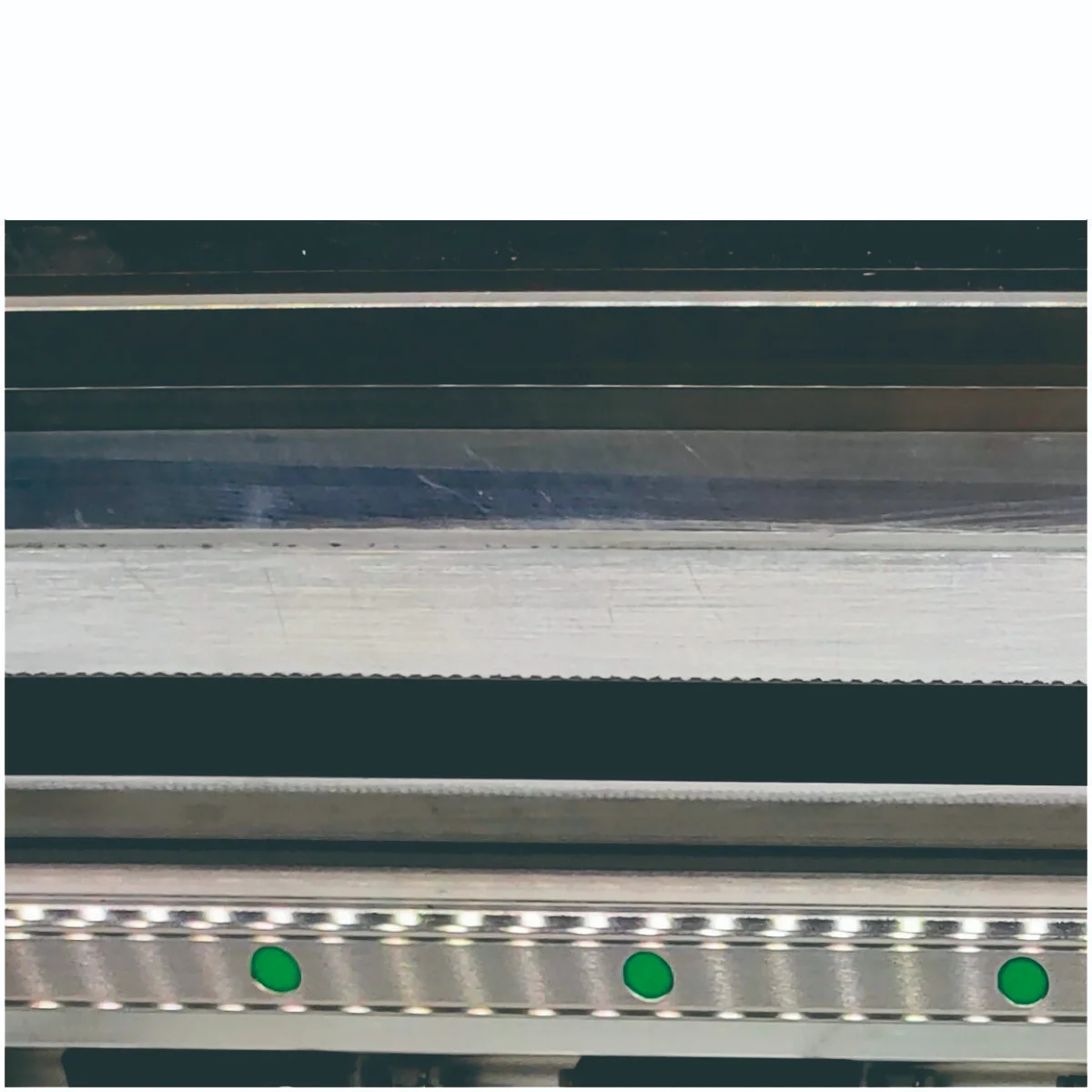
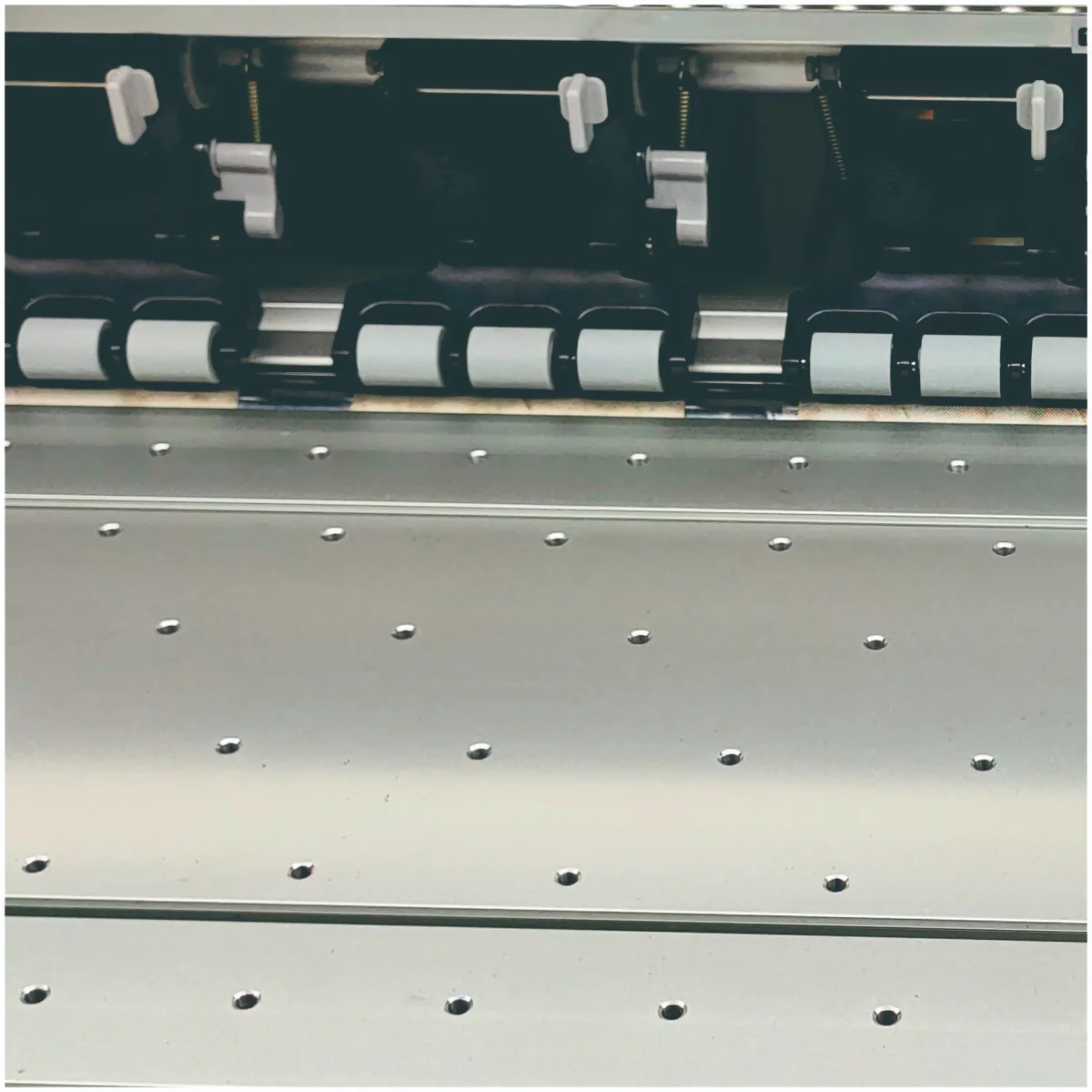
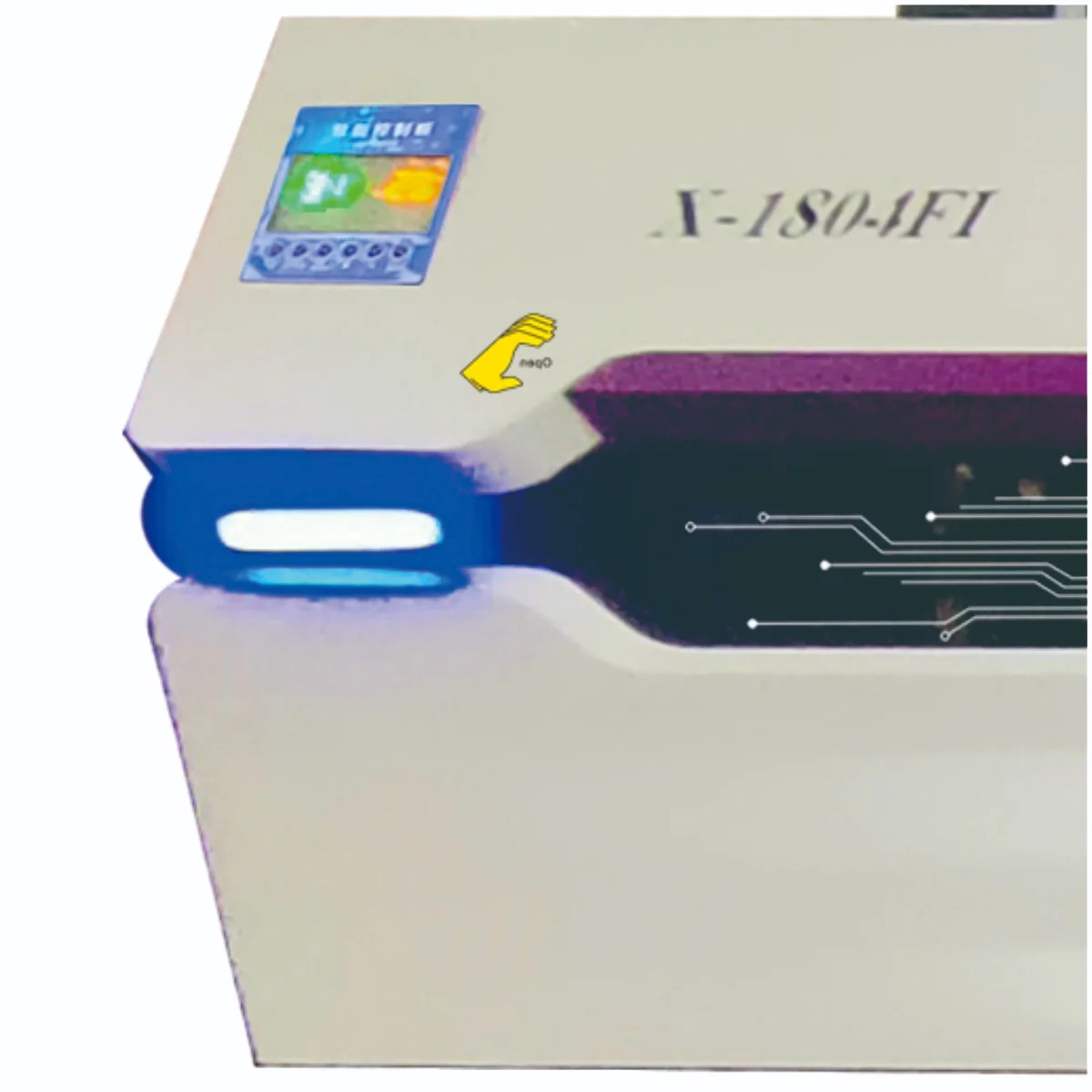
The available information and product image show several useful features: a long print body, a central print carriage area, a side-mounted control interface, feed/output roller support, and a lower frame with cooling fans. These are practical indicators of a production-oriented printer. The machine appears to be designed for roll media rather than rigid boards.
Because some core technical values are not confirmed, the safest way to evaluate this printer is by capability category rather than assumed numbers. Buyers should confirm the exact print width, speed, resolution, ink configuration, and supported media types before purchase. That said, the machine structure suggests it is aimed at large-format output where throughput and media handling are both important.
Operational strengths to evaluate
When reviewing this type of printer, look at the following points:
• Continuous roll-to-roll printing for long production jobs
• Support for large-format graphics production
• Integrated control panel for operator management
• Multiple fans for internal cooling and prolonged operation support
• Media path designed for flexible substrates such as film or vinyl-type rolls
These practical features matter more than promotional language because they directly affect job stability, operator convenience, and daily output efficiency.
Materials and finish options
The machine itself appears to combine a painted metal-looking main housing with black structural modules and a plastic control interface. That construction is typical for industrial print equipment where stiffness, service access, and thermal management are important. The visible finish is functional rather than decorative, which is appropriate for workshop or production-floor use.
As for print materials, the available data only confirms flexible roll media visible in the machine. Common materials in this category include banner stock, vinyl, printable film, poster media, and similar coated substrates, but exact compatibility should be confirmed for the specific ink and curing system used by the buyer. If the workflow involves outdoor signage, buyers should also verify whether the selected media is rated for weather exposure and whether lamination is required.
Manufacturing process and printer workflow
This kind of large-format inkjet printer follows a straightforward production sequence. First, the roll substrate is loaded onto the feed system. Then the media advances through the print area, where the carriage deposits ink across the width of the printable surface. After printing, the output roll collects the finished graphics for cutting, finishing, or immediate installation.
The process is well suited to sign production because it supports long graphics without repeated sheet feeding. That reduces handling steps and helps maintain registration over extended lengths. In a busy shop, fewer manual interventions usually mean fewer production interruptions, especially on banners, exhibition backdrops, and repeated promotional jobs.
The visible cooling fans suggest thermal control is part of the machine design. That is important in continuous printing because internal heat can affect component life and print stability. While exact curing or drying technology is not stated, the equipment layout indicates an emphasis on keeping the production cycle manageable during extended use.
Application scenarios
This printer fits a broad range of sign and display applications, especially where roll media is the practical choice. Typical use cases include:
• Indoor posters and retail graphics
• Outdoor banners and promotional signage
• Exhibition graphics and event displays
• Storefront visuals and point-of-sale material
• Photographic-style prints on compatible roll stock
• Temporary advertising graphics for campaigns and launches
For buyers serving mixed markets, the ability to handle both indoor and outdoor graphic demand can simplify equipment planning. Instead of maintaining separate output paths for different job types, a production shop may use one platform as a central printer for multiple applications, provided the ink and media combination meets the required durability.
Quality control considerations
Quality control in wide-format printing is not only about image sharpness. It also includes feed consistency, color stability, edge alignment, and repeatability from the beginning of a roll to the end. For this reason, a buyer should examine how the printer manages media tension, whether the control system allows practical operator adjustments, and how easily routine maintenance can be performed.
Since no exact test data or certification information has been supplied, avoid assuming a specific performance level. Instead, request sample output and verify the following during evaluation:
• Straightness of feed across long prints
• Consistency of ink laydown on large solid areas
• Handling of long uninterrupted jobs
• Ease of cleaning and access to service points
• Stability of the control interface during production
These checks help determine whether the machine is suitable for the buyer’s daily workflow, especially if the shop handles frequent short runs and occasional long production pieces.
Customization guidance for buyers
Because the exact configuration is not fully defined in the available information, buyers should treat this printer as a platform to be matched with their production needs. Important customization or confirmation points include ink system selection, printhead arrangement, media compatibility, heater or curing setup if applicable, and control software integration. The product name references I3200 and four printheads, but those details should still be verified in the final specification sheet before ordering.
When discussing customization with a supplier, it helps to prepare the following questions:
• What media widths are supported?
• Which inks are recommended for the target applications?
• What maintenance routine is required for stable operation?
• Can the printer integrate with the shop’s RIP or workflow software?
• What spare parts and consumables should be stocked from day one?
This approach reduces procurement risk and makes it easier to match the machine to the shop’s actual production mix.
Buyer decision factors
For a B2B buyer, the decision should be based on production fit rather than headline claims. The key factors are media handling reliability, service access, output consistency, and whether the machine can support the kinds of jobs that keep the business profitable. If the shop mainly produces banners and event graphics, the value of this printer lies in throughput and roll handling. If the shop focuses on mixed indoor and outdoor signage, then ink and substrate compatibility become even more important.
Another practical factor is footprint. Large-format equipment needs not only floor space for the machine itself, but also room for roll loading, finished roll output, inspection, and maintenance access. Planning the layout in advance helps avoid bottlenecks later.
Finally, buyers should confirm after-sales support, parts availability, and the level of operator training included with the purchase. A productive printer is only useful if the shop can keep it running consistently over time.
Why this machine is a practical fit for production shops
The XL-1804F I3200 4 printheads outdoor indoor UV inkjet printer stands out as a roll-based wide-format printer built for real production conditions. Its visible construction suggests a machine intended to move media smoothly, manage heat through multiple fans, and provide an operator-friendly interface for day-to-day use. For shops that need to print graphics continuously and serve both indoor and outdoor markets, that combination is often more valuable than a narrow focus on one application type.
In short, it is a useful option for buyers seeking a large-format inkjet printer platform for banners, posters, signage, and display graphics, provided the final ink and media configuration is confirmed against the job requirements.
Request a quote or specification check
If you are evaluating the XL-1804F I3200 4 printheads outdoor indoor UV inkjet printer for your production line, request the full specification list, sample output, and media compatibility details before placing an order. Share your target application, print volume, and preferred materials so the supplier can confirm the right configuration for your shop.