XL-1802H I3200/F1080 indoor,outdoor printer Overview
The XL-1802H I3200/F1080 indoor,outdoor printer is designed for buyers who need a wide-format output system that can handle long rolls, large graphics, and continuous production tasks without constant manual intervention. For print shops, advertising producers, and sign makers, the main problem is often workflow bottlenecks: media has to stay aligned, prints must run steadily, and the machine needs to support both indoor and outdoor graphic jobs in a practical shop environment. This type of roll-to-roll printer addresses that need with a long horizontal body, a visible media path, a front take-up/feed area, and a robust floor stand built for everyday operation.
From the visible structure, this unit looks suited to banner production, vinyl graphics, posters, and other wide-format print work. It is not just about size. The machine layout suggests a production-oriented setup where operators can load roll media, monitor the run from the side control panel, and manage continuous output with less interruption. For businesses comparing large-format printing equipment, the key question is usually whether the printer fits the work mix, floor space, and production rhythm. This page is meant to help with that decision.
Product reference and visible machine structure
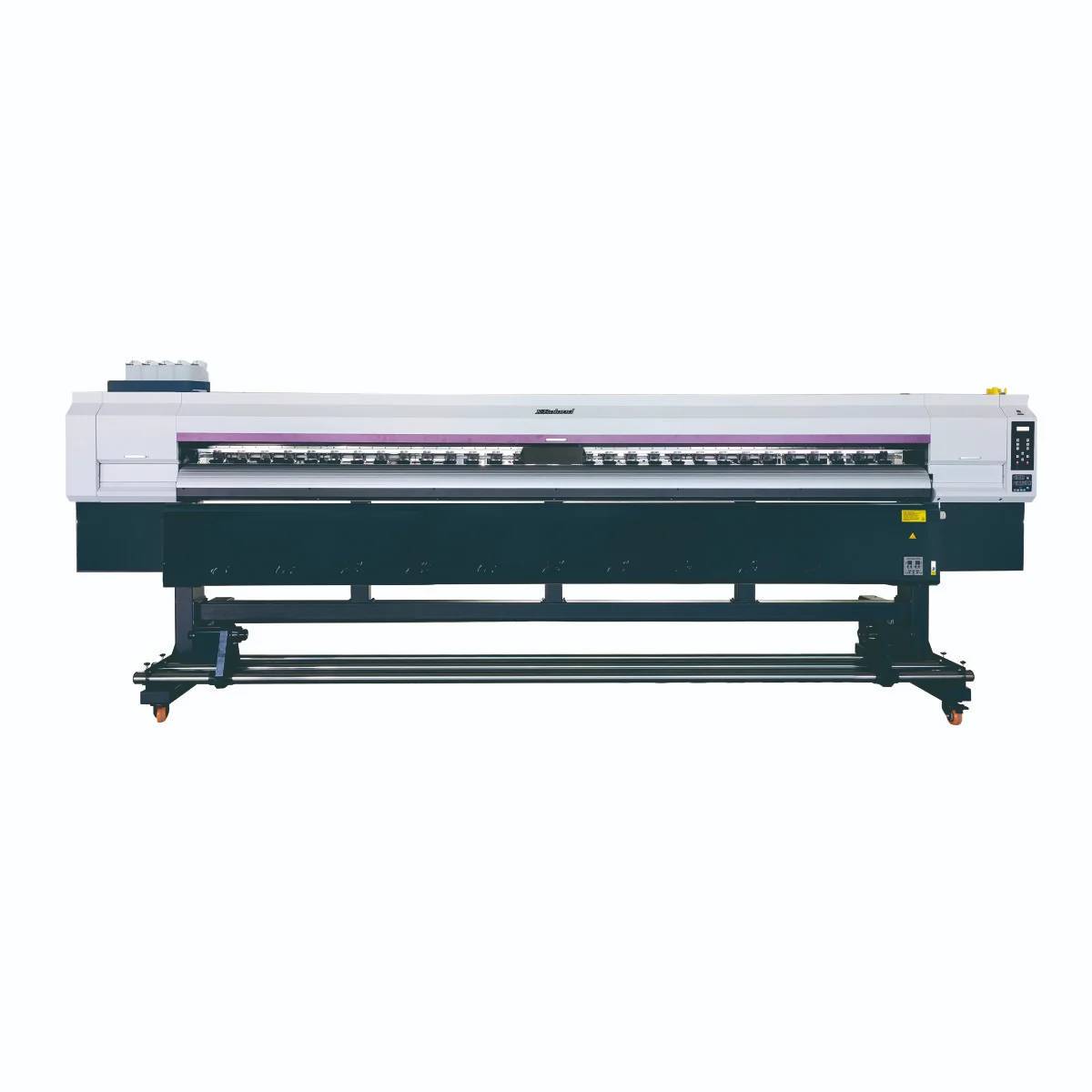
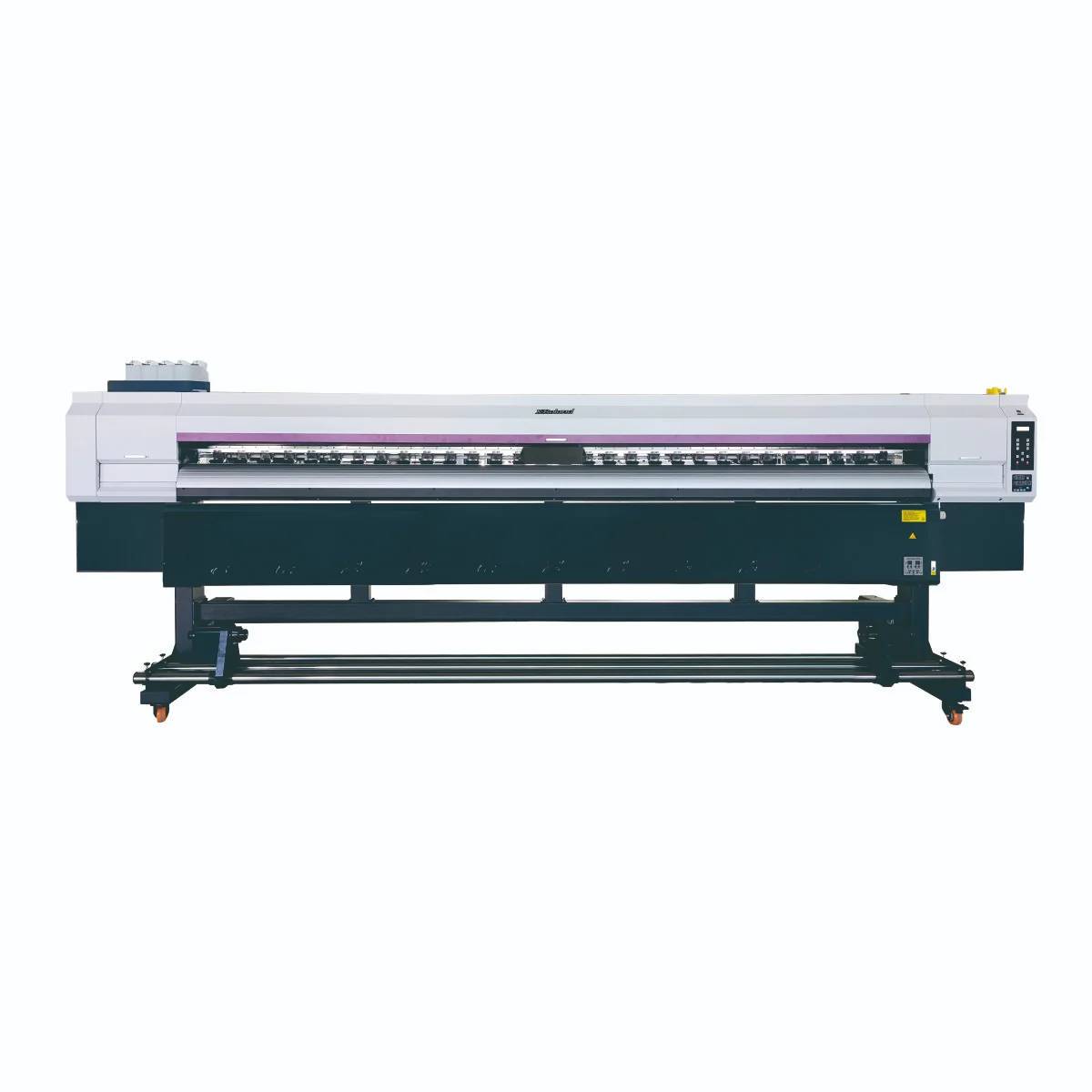
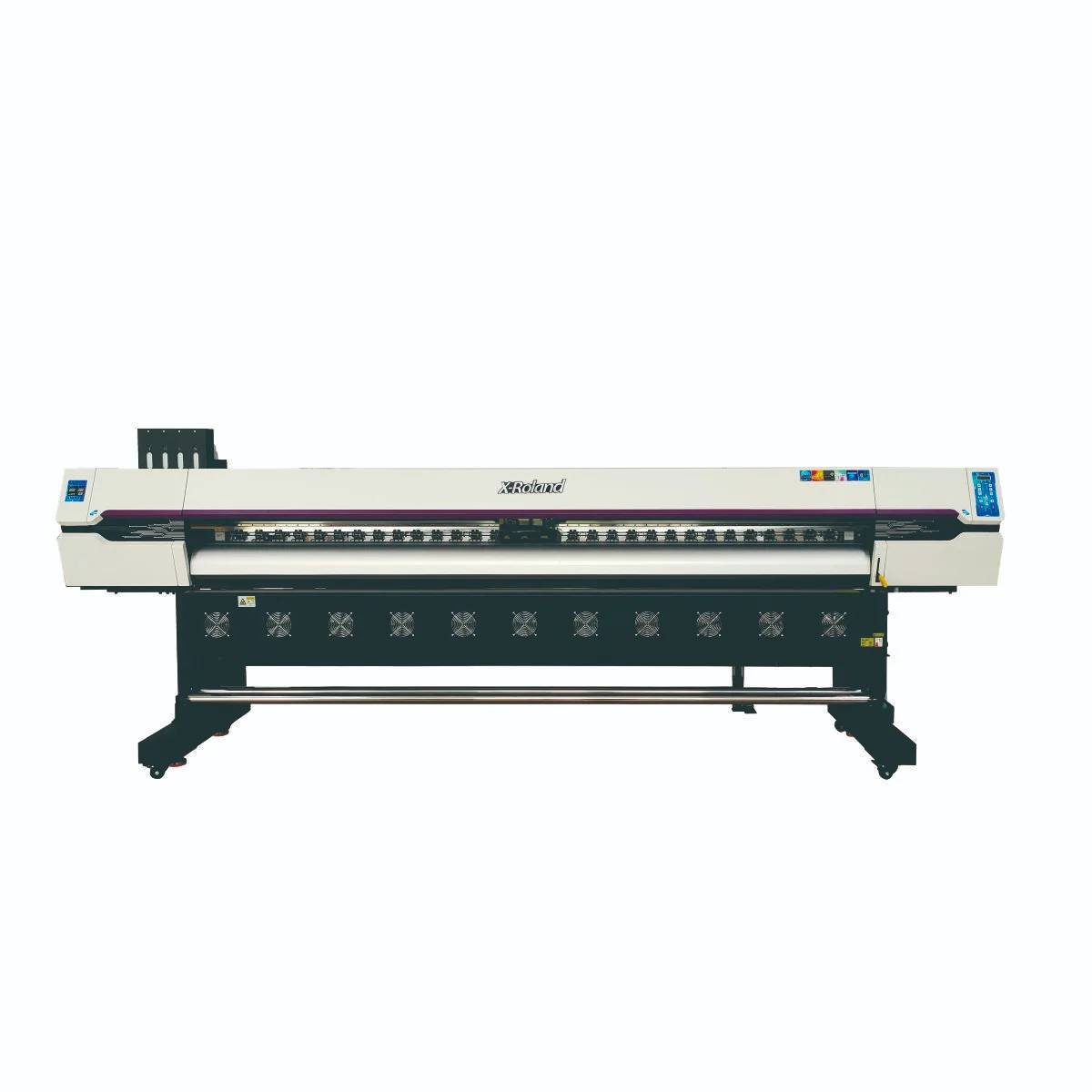
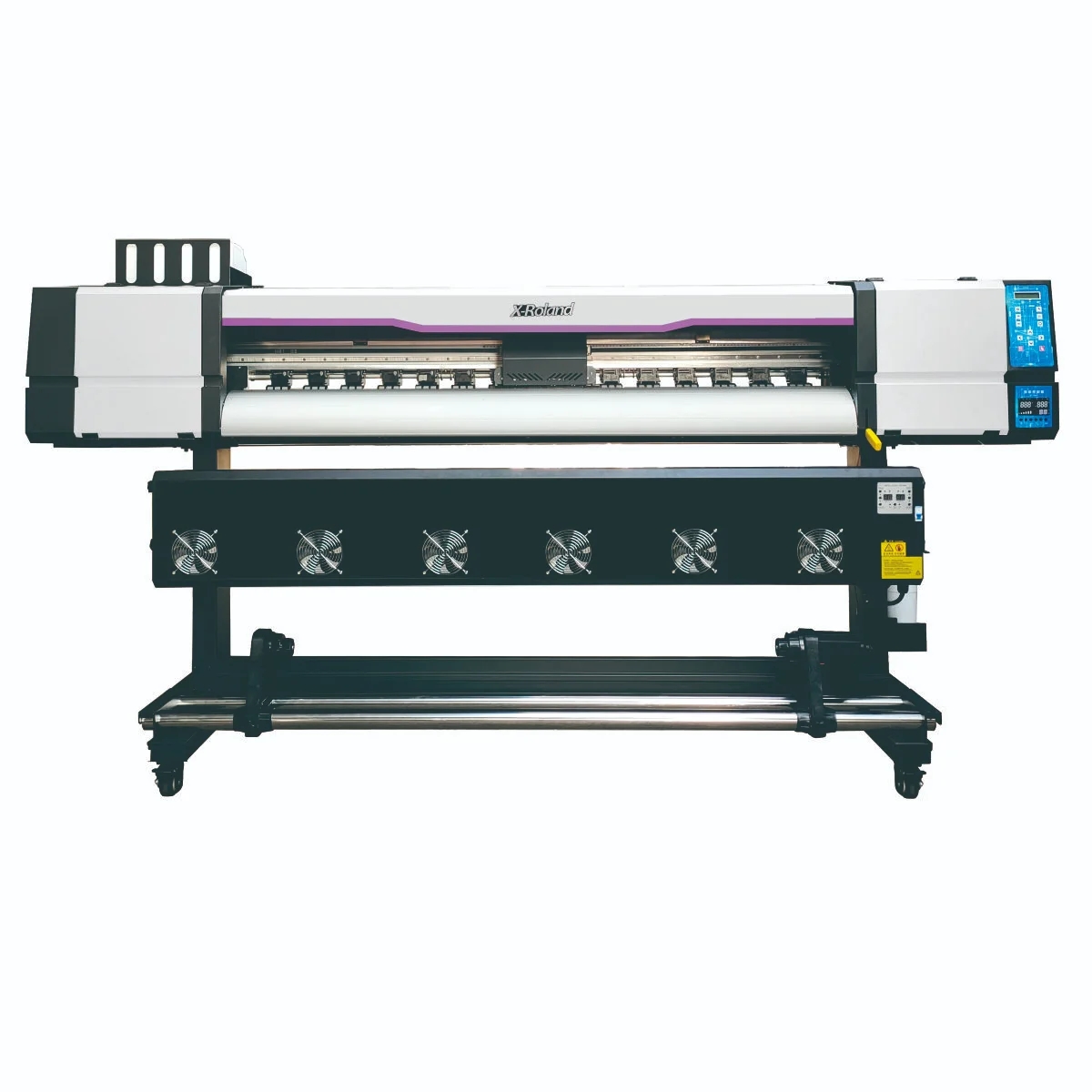
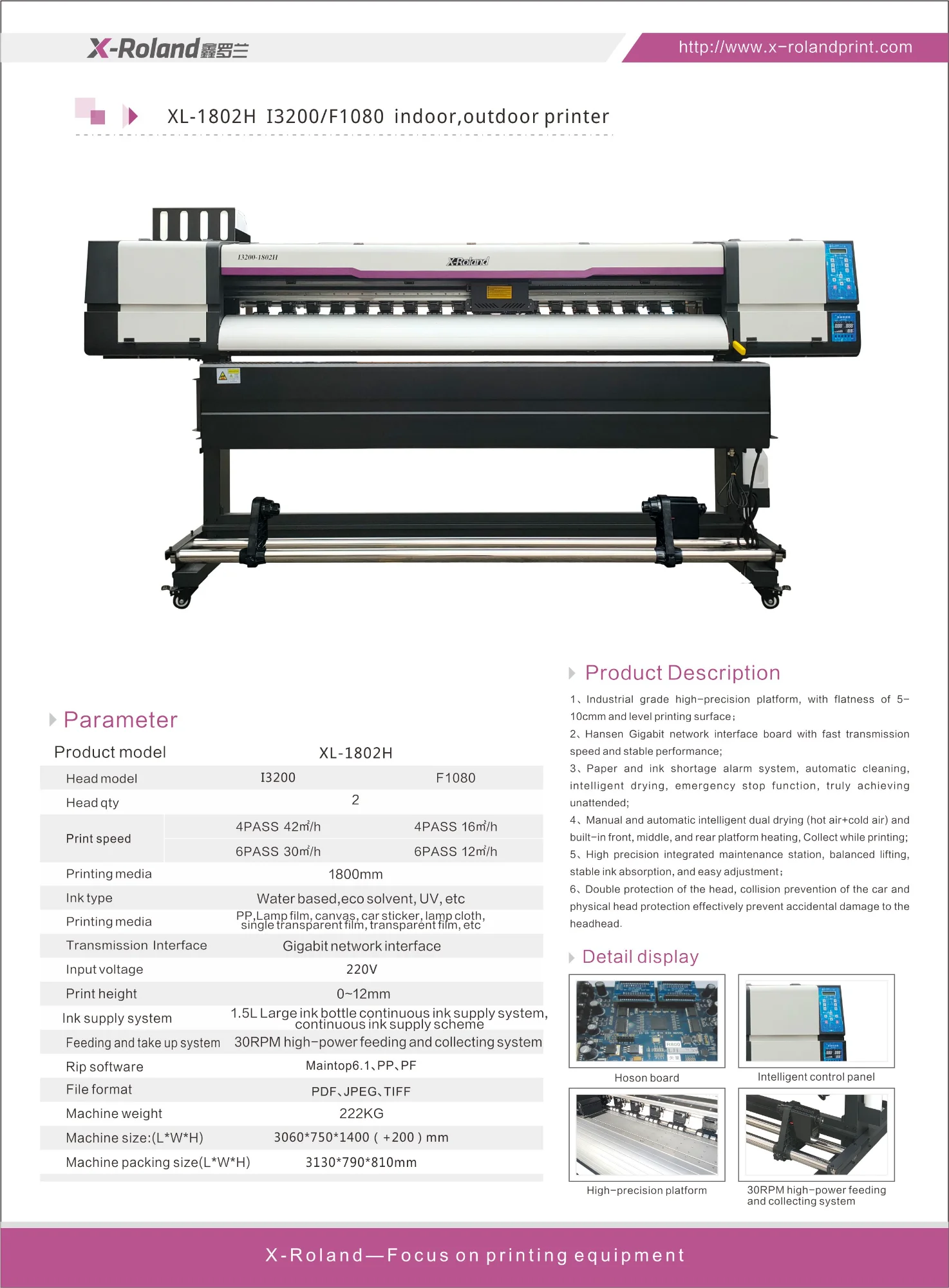
The XL-1802H I3200/F1080 indoor,outdoor printer appears to be a large-format roll-to-roll printer, also commonly described in the market as a vinyl printer or wide-format graphic printer. Based on visible features, the machine uses a long carriage area across the top, a front media handling zone, and a separate lower stand. The caster wheels indicate that the unit can be moved within a workshop, which is useful when arranging production space around finishing tables, storage racks, or drying areas.
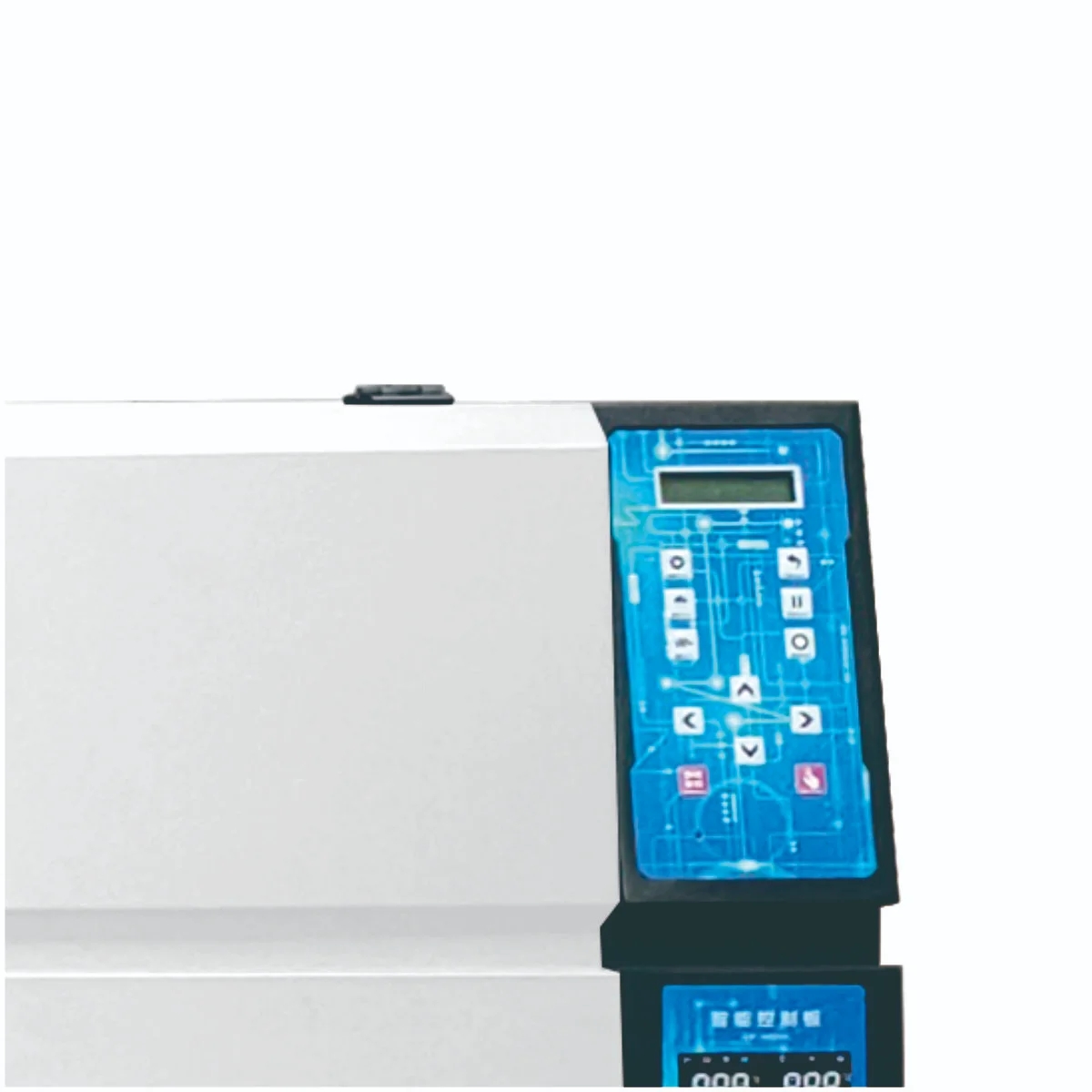
The housing combines white and dark panels with a purple accent strip. A color display and keypad are visible on the right side, which suggests local operator control for routine settings and status monitoring. Multiple cooling fans are visible in the base, a practical detail for equipment expected to run for extended periods. While the exact print technology and ink system are not confirmed here, the overall form factor strongly matches inkjet-style wide-format production equipment used in sign and display workflows.
Key specifications and operational capabilities
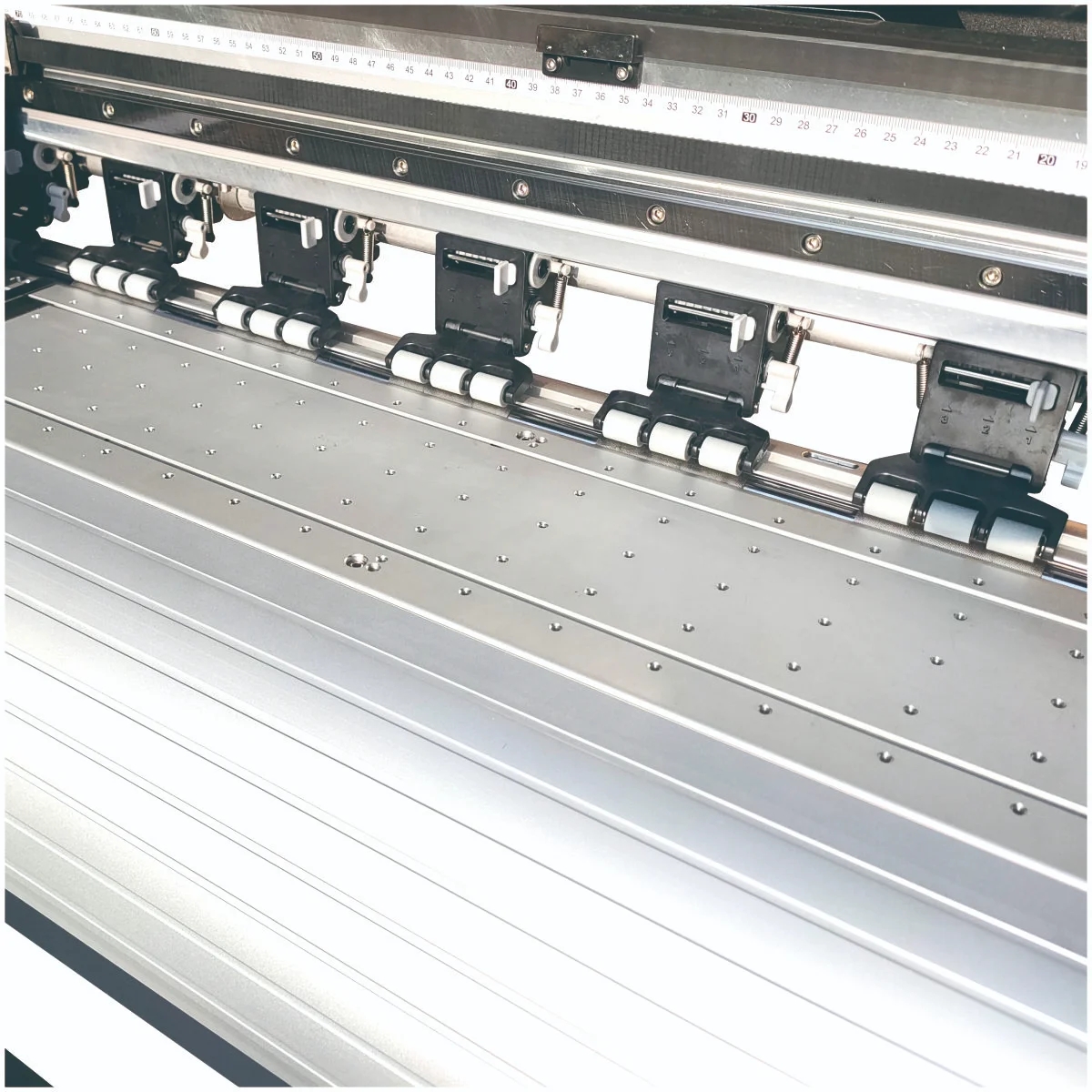
Because exact technical data is not supplied, the safest way to evaluate this printer is by its visible capabilities and common wide-format use case. The machine is clearly built for roll-based media handling and long print runs. A wide media path supports large graphics, while the elongated frame helps keep material movement controlled across the print zone.
What the visible design supports
Large-format roll media handling
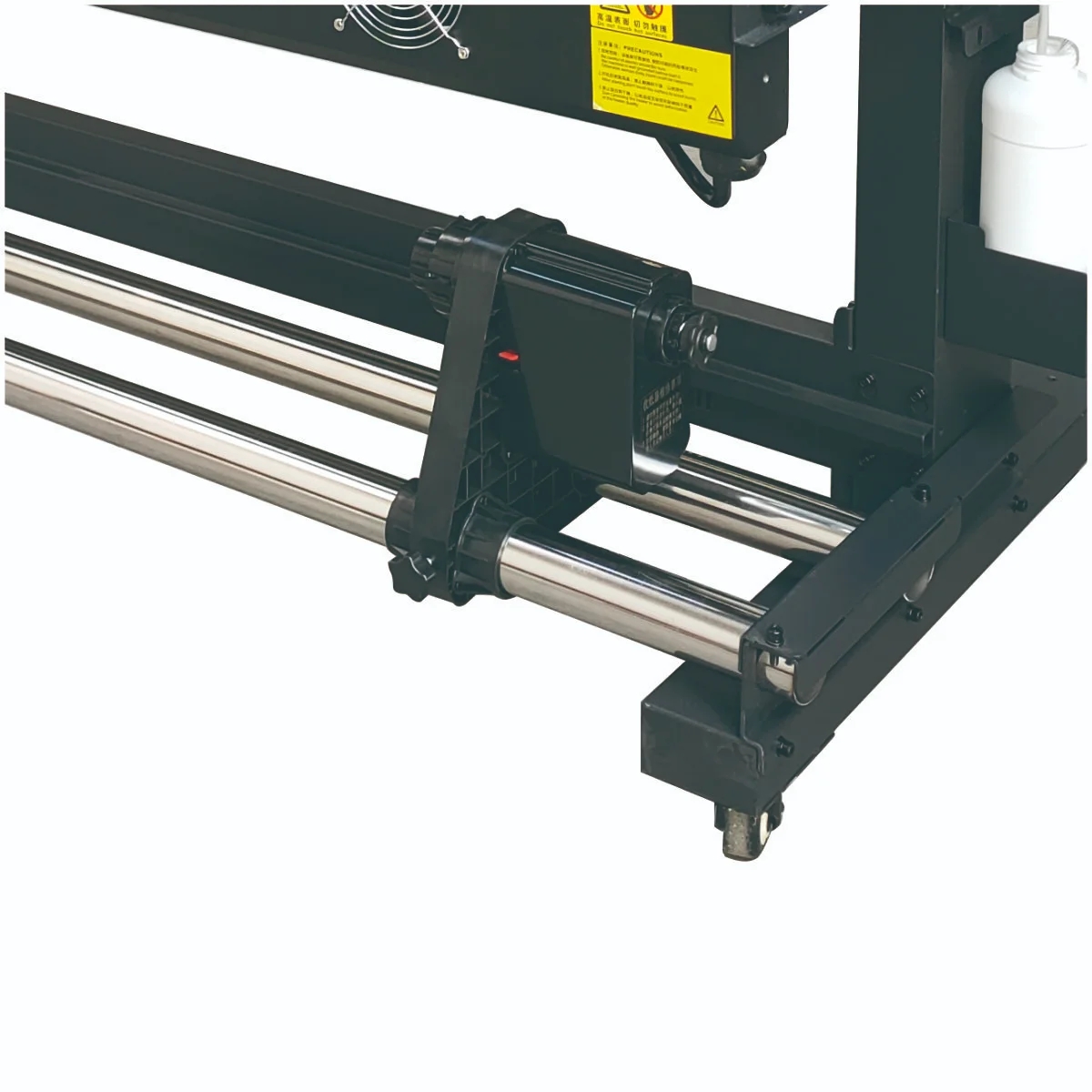
Continuous feed and take-up workflow
Floor-standing installation for production rooms
Operator control through a side panel interface
Ventilation support through fan-cooled base sections
Physical layout appropriate for signage and display graphics
For a buyer, these are important clues. A machine with a stable stand and integrated media path reduces the chance of awkward loading, uneven tension, and unnecessary handling. In day-to-day production, that can matter as much as headline speed figures.
Materials and finish options for production use
The product information indicates likely applications in vinyl, banners, posters, vehicle graphics, and other wide-format jobs. That means the printer should be considered as part of a larger finishing workflow rather than as a standalone output device. The actual media compatibility is not confirmed, so buyers should verify their preferred substrates before purchase. In typical wide-format production environments, operators may work with coated roll media, flexible films, and other graphics materials depending on the intended application and ink system.
Finish quality in this category often depends on media selection, calibration, and post-print handling. For example, a banner destined for outdoor use usually needs a different media choice and finish strategy than a display graphic for indoor retail presentation. If the machine is being evaluated for vinyl graphics, the buyer should confirm whether their target materials can be fed reliably through the roller path and whether the output workflow matches the required finishing steps after printing.
Manufacturing process and how the printer fits production
In a typical wide-format production line, the operator prepares roll media, loads it onto the feeding system, aligns the path, and uses the control interface to set print parameters. The carriage then moves across the print area while the media advances in sync. Since the unit is designed with a long body and a separate stand, it is built to support stable motion and easier observation during the run.
The visible front section suggests that media can be managed from the operator side without excessive lifting. This is especially useful for shops that produce repeated jobs or batch output. A printer of this type usually becomes part of a larger chain that may include pre-press file preparation, color checks, printing, drying or curing, trimming, and final mounting or packaging. Even when the exact technology is not confirmed, the workflow logic remains the same: consistent feed, predictable alignment, and repeatable graphic output.
Application scenarios
This XL-1802H I3200/F1080 indoor,outdoor printer is visually aligned with common commercial print environments. The likely use cases include:
Signage production for stores, events, and exhibitions
Banners for promotions, trade shows, and outdoor campaigns
Posters and display graphics for indoor advertising
Vehicle graphics and fleet-related wrap work, subject to media and ink compatibility
General print shop output for wide-format customer orders
Industrial sign-making workflows where roll media is used regularly
For businesses serving both indoor and outdoor markets, a printer in this category can be especially useful because it supports flexible job planning. Short promotional runs, long banner orders, and recurring customer graphics all benefit from equipment that can handle roll-to-roll work efficiently.
Quality control considerations
Any wide-format printer should be judged not only by appearance, but by how well it supports stable operation. The visible fans in the base suggest attention to internal thermal management, which is relevant for long production cycles. The control panel on the side helps operators check machine status and make adjustments without stopping the workflow unnecessarily.
Buyers should ask practical quality-control questions before making a final decision: How is media tension maintained? How easy is it to monitor alignment during a run? Can operators access routine controls quickly? Does the footprint fit the shop layout without creating loading issues? These questions matter because print consistency often depends on the mechanical setup as much as on the output settings.
It is also wise to confirm the machine’s serviceability. In production environments, uptime depends on cleaning access, maintenance convenience, and the availability of replacement parts or consumables. Those details are not visible from the image, but they should be part of any procurement review.
Customization and buyer guidance
Because the exact configuration is not confirmed, customization should be discussed carefully with the supplier. Potential buyers should clarify the following points before ordering:
Supported media widths and roll loading method
Confirmed printhead configuration and compatibility
Ink system type and intended application range
Heater or dryer arrangement, if included
Control software and file workflow integration
Electrical requirements and installation conditions
Optional accessories for take-up, drying, or media handling
If your business prints mixed indoor and outdoor graphics, the main buying factor is adaptability. A machine that can support your common substrates, accept your file workflow, and run reliably across repeated jobs will usually deliver more value than a model chosen only for a single specification. Shops with limited floor space should also confirm the machine’s total footprint, service clearance, and operator access points.
Why this machine layout matters for buyers
The long frame, visible media path, and heavy-duty stand point to a printer built for practical production rather than occasional use. That matters in B2B manufacturing and print service environments because throughput is only part of the equation. The real value comes from stable operation, manageable loading, and the ability to keep output moving through the day.
For a buyer comparing large-format printers, this model format is worth considering if the business regularly handles rolls, needs a floor-standing machine, and wants a setup that looks prepared for continuous work. It is especially relevant for signage producers and advertising workshops that need a dependable base platform for wide-format jobs.
Request more details and confirm configuration
If you are evaluating the XL-1802H I3200/F1080 indoor,outdoor printer for your production line, the next step is to confirm the exact configuration, supported media, and workflow requirements with the supplier. A careful specification review will help ensure the machine matches your print volume, shop layout, and target applications.
Contact the sales team to request full technical data, installation guidance, and configuration options before placing an order. That way, you can match the printer to your production needs with fewer assumptions and a clearer procurement plan.