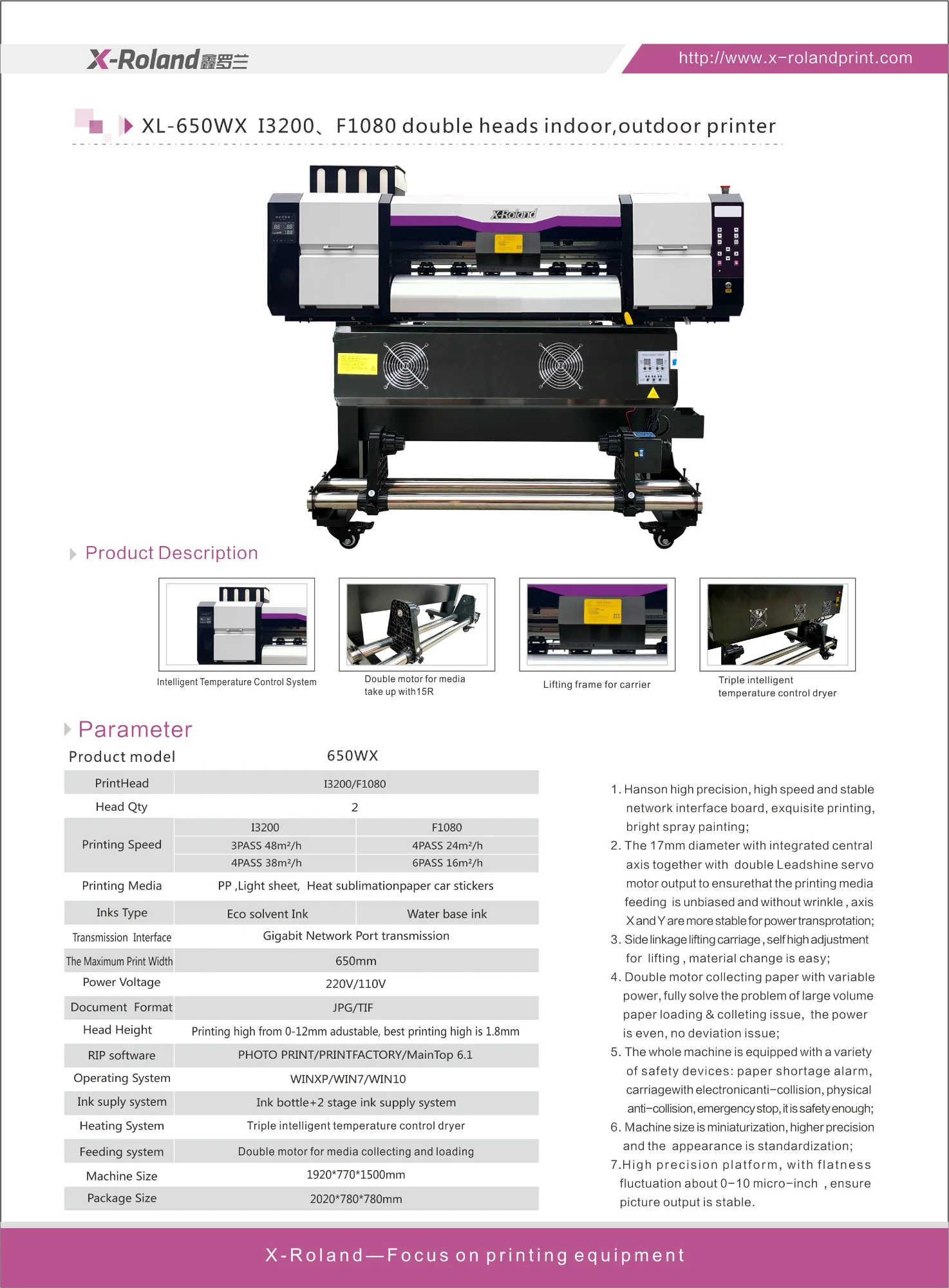
XL-1300WX 1680WX 13200 double heads Digital printer/sublimation textile printer Overview
The XL-1300WX 1680WX 13200 double heads Digital printer/sublimation textile printer is designed for buyers who need a large-format printing machine that can handle wide graphics, repeat output, and industrial production flow. For shops that struggle with slow turnaround, inconsistent output, or limited media size, this type of equipment helps move jobs from short-run bottlenecks into a more efficient digital workflow. Its floor-standing structure, roll-media path, and dual-head configuration indicate a machine built for continuous production on large-format jobs, including signage, display graphics, and textile-related applications where wide output matters.
Because the exact print technology is not confirmed from the available information, it is best viewed as a wide-format digital printer platform rather than a narrowly defined model with fixed performance claims. What can be seen clearly is a robust enclosed body, front-access service layout, industrial rollers and rails, and a mobile base with castors. Those details matter to operators because they influence machine access, media handling, and workshop placement.
What this printer is built to solve
Large-format print buyers usually face three common problems: insufficient width, slow production, and too much manual handling. A machine in this class is meant to reduce those issues by supporting broad media, keeping the print path organized, and allowing repetitive jobs to run with less interruption. For production teams, that means fewer setup changes and a more practical path from file to finished output.
The double heads structure is especially relevant for businesses that need higher throughput or want to split workloads more efficiently across a wide carriage area. Even without exact speed figures, a dual-head industrial layout generally points to a machine intended for commercial use rather than occasional printing.
Product structure and visible design features
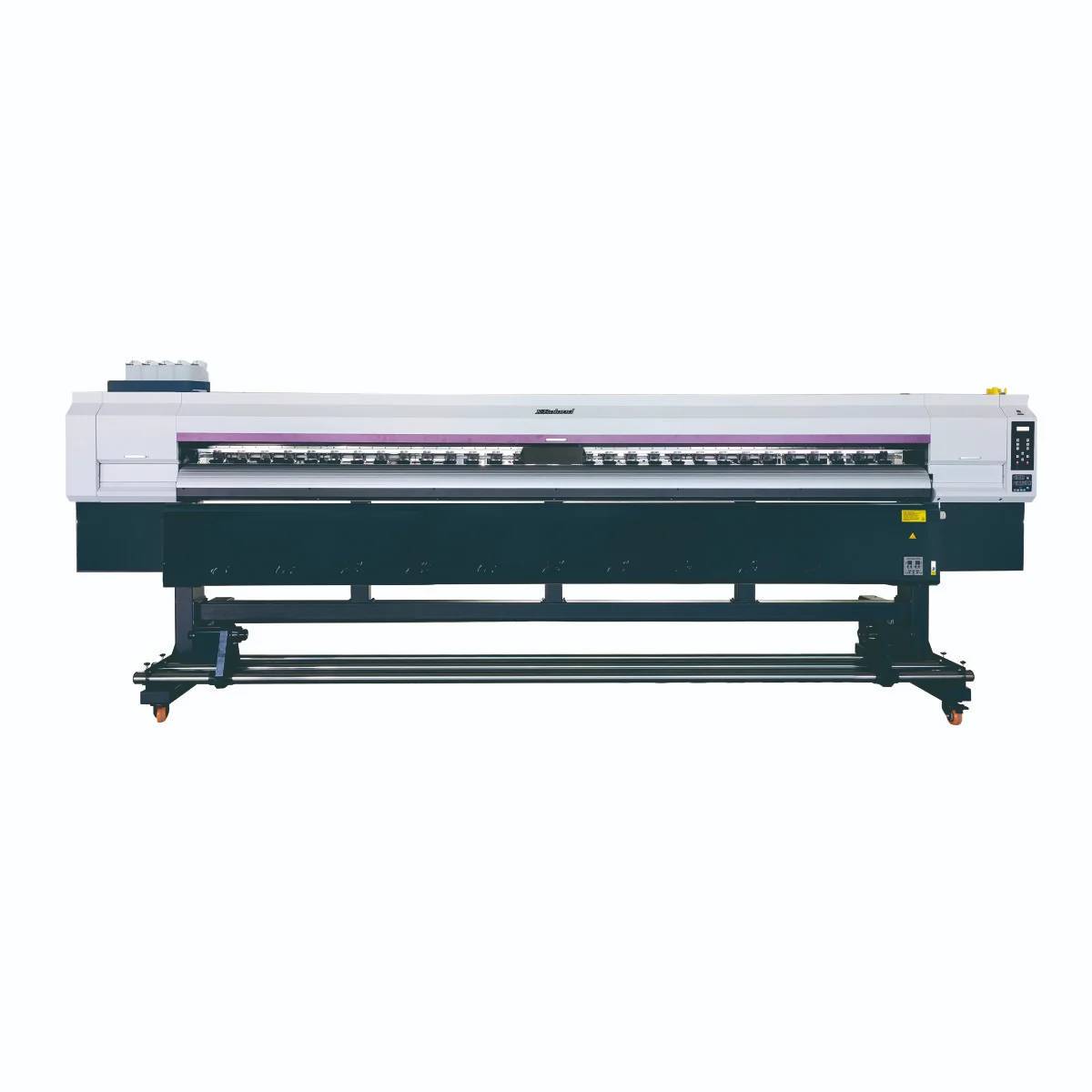
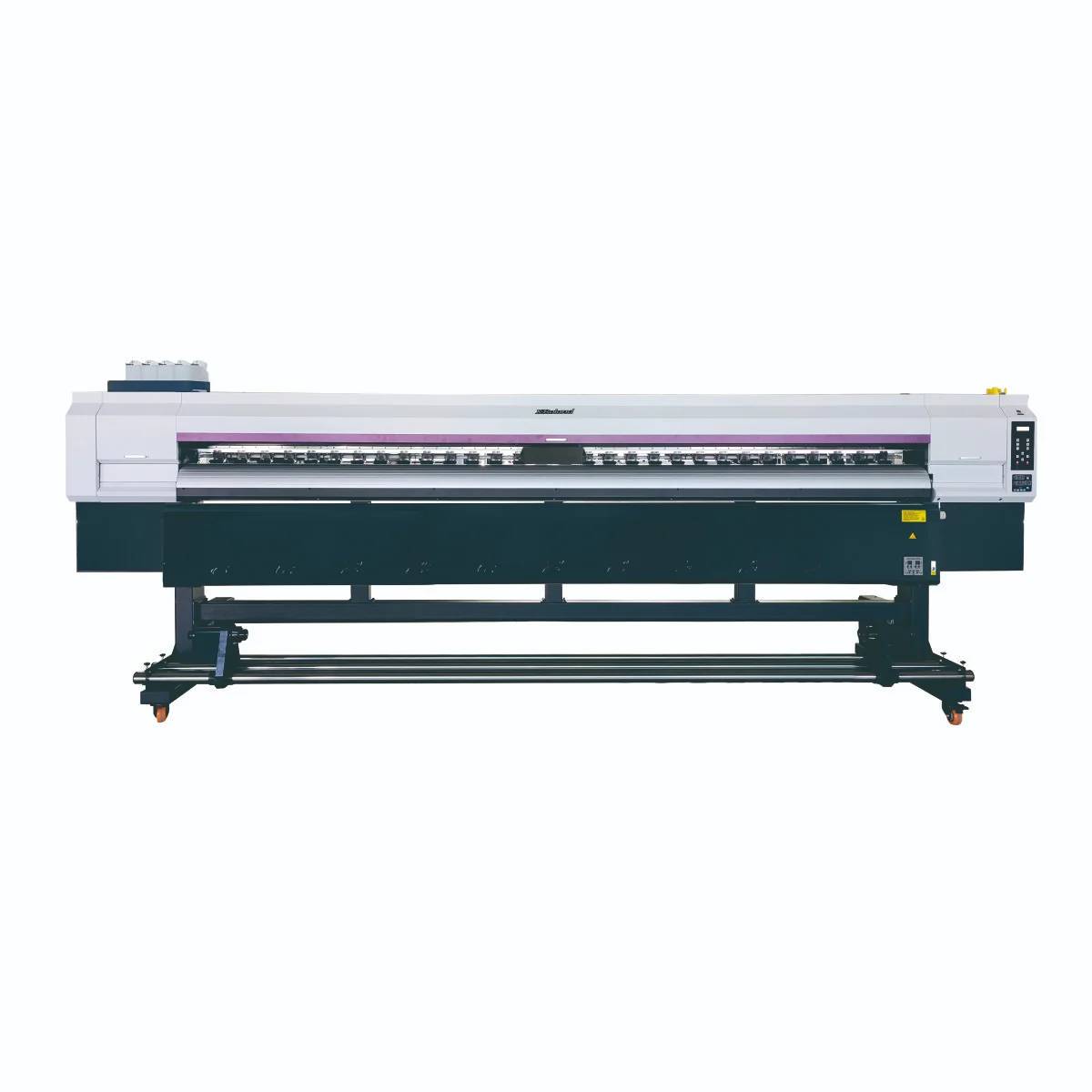
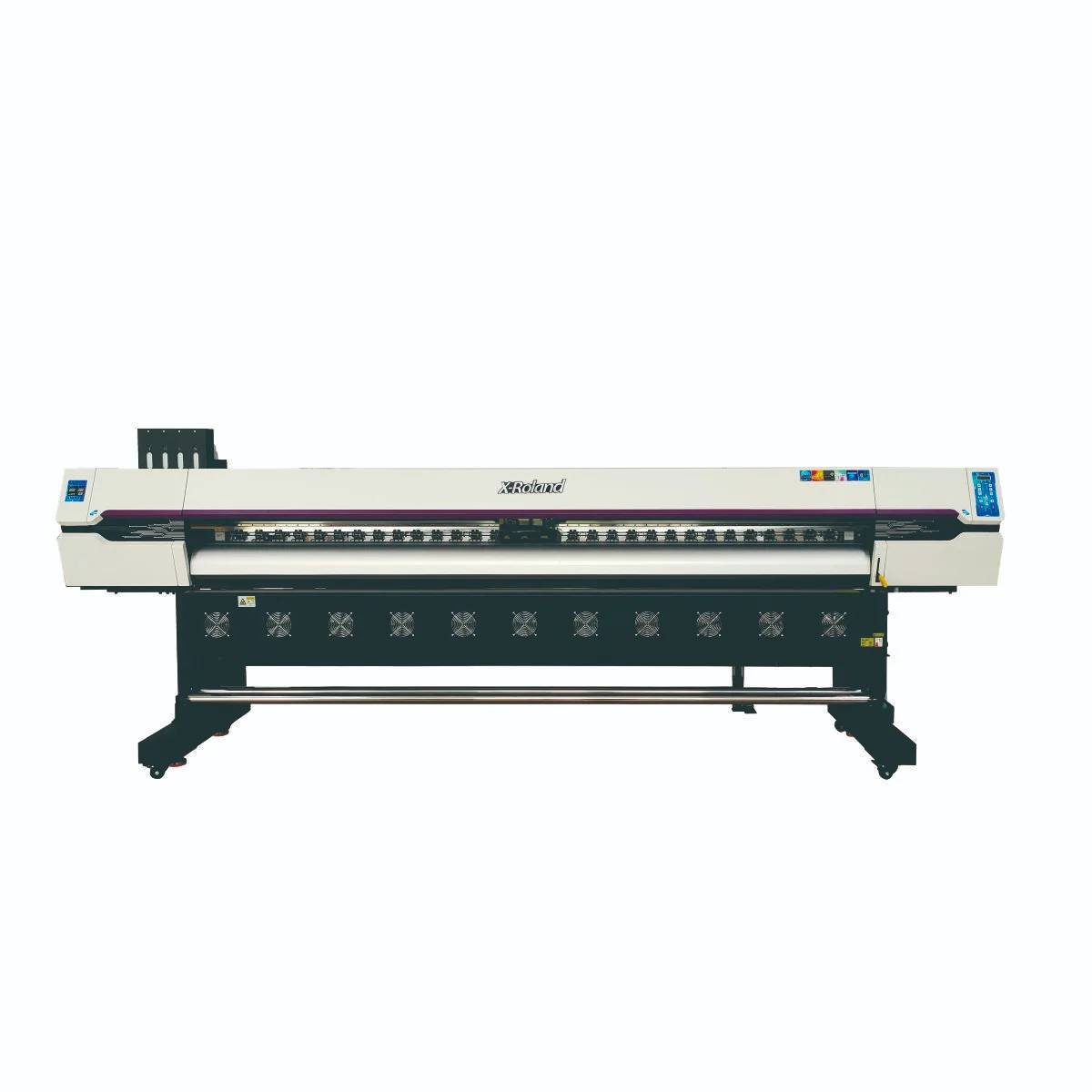
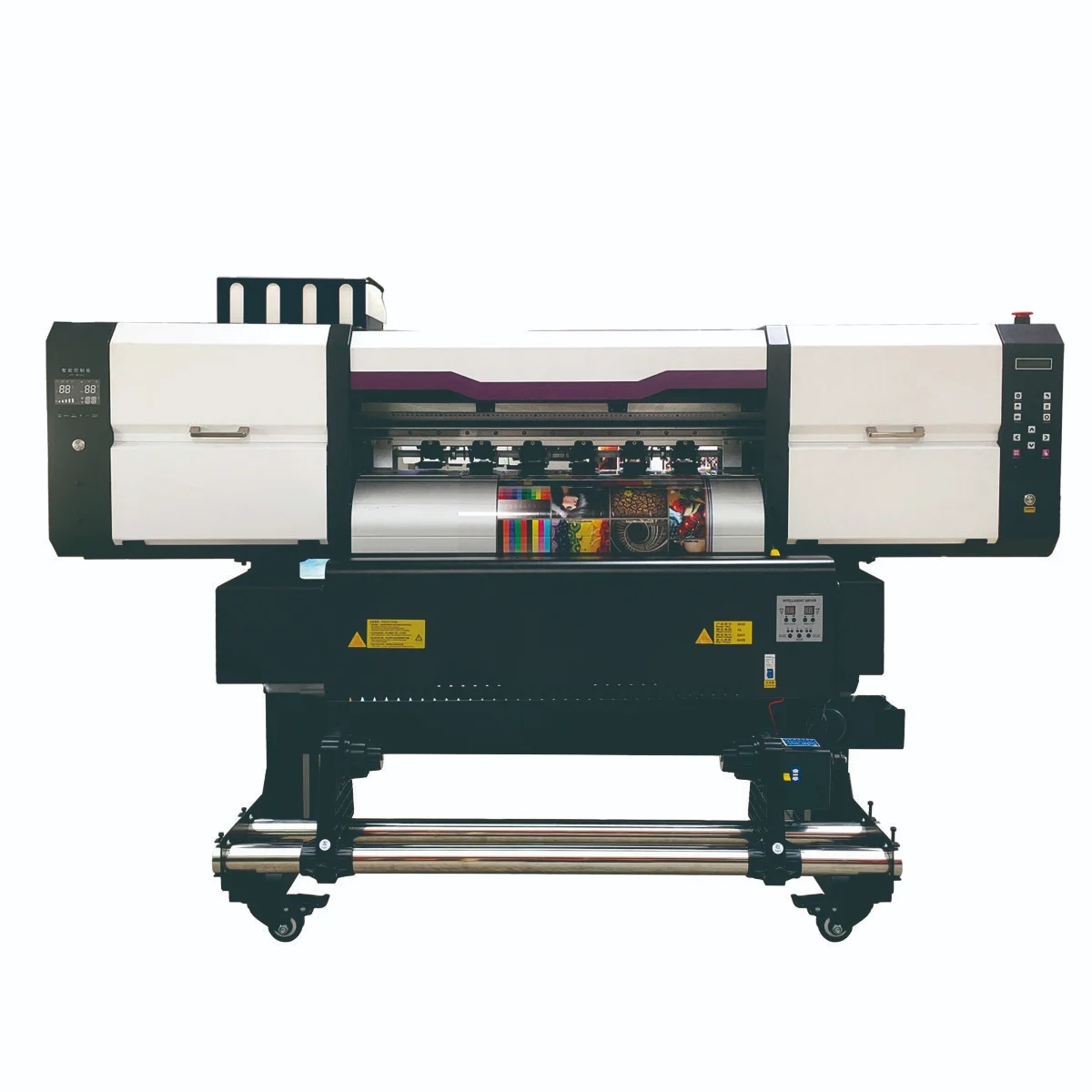
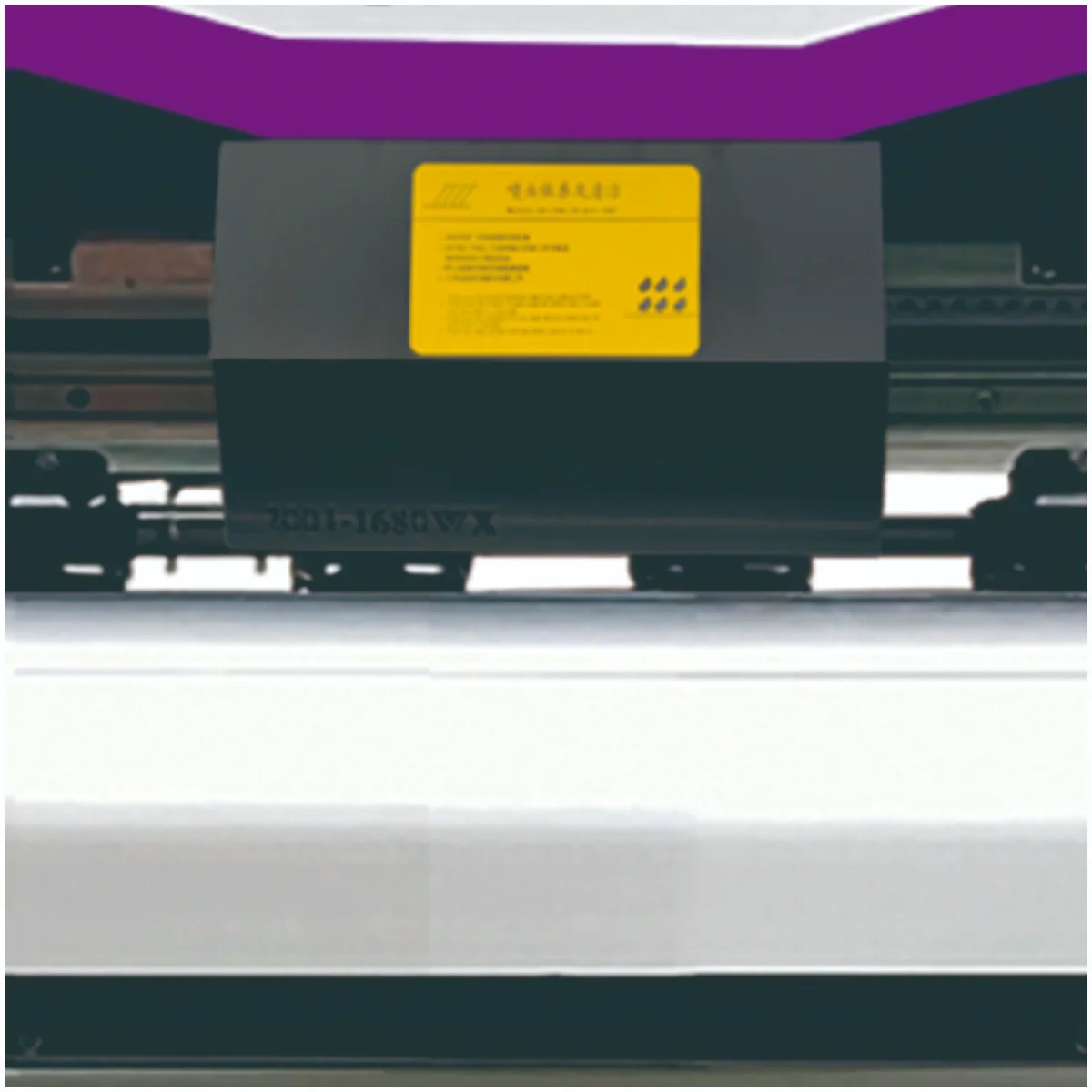
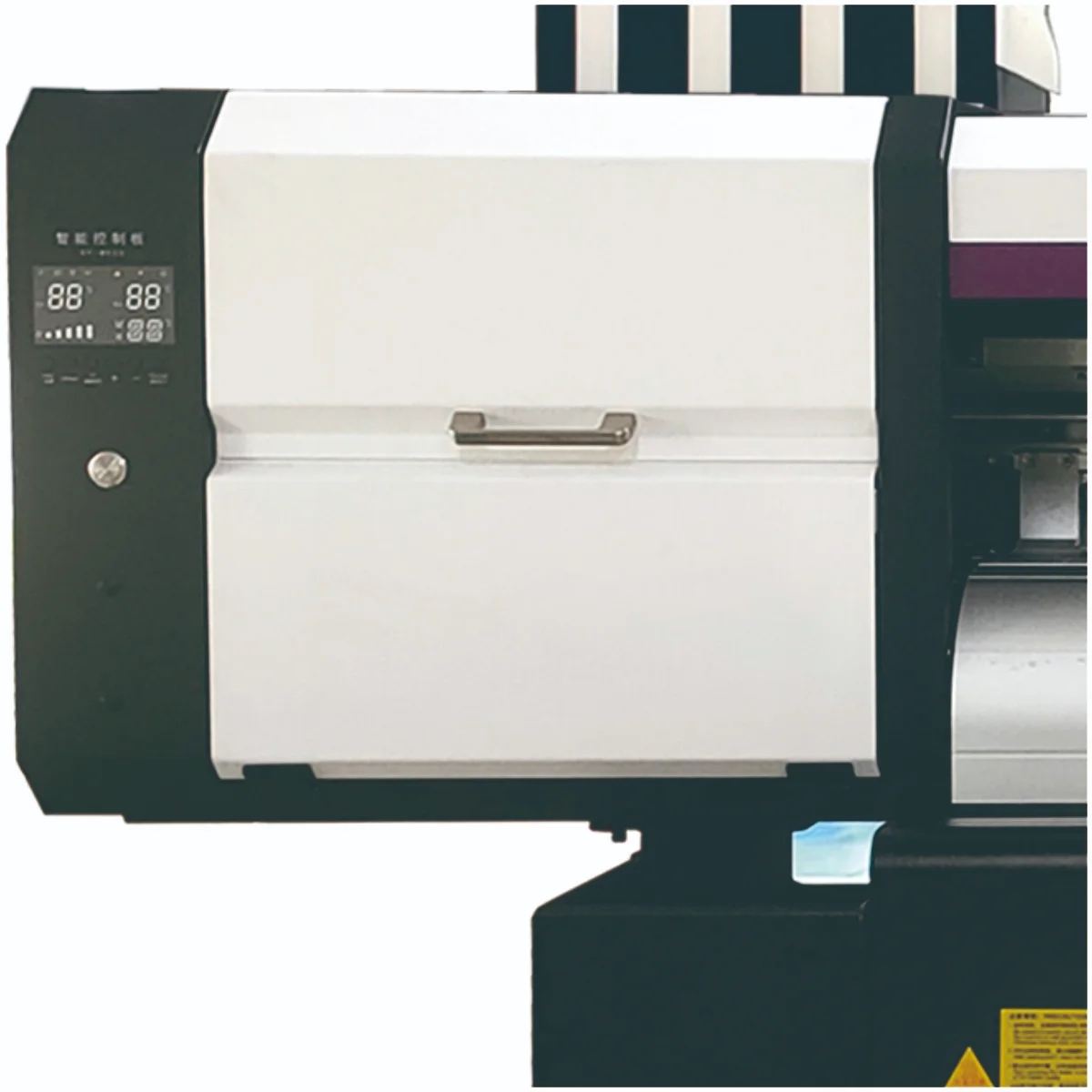
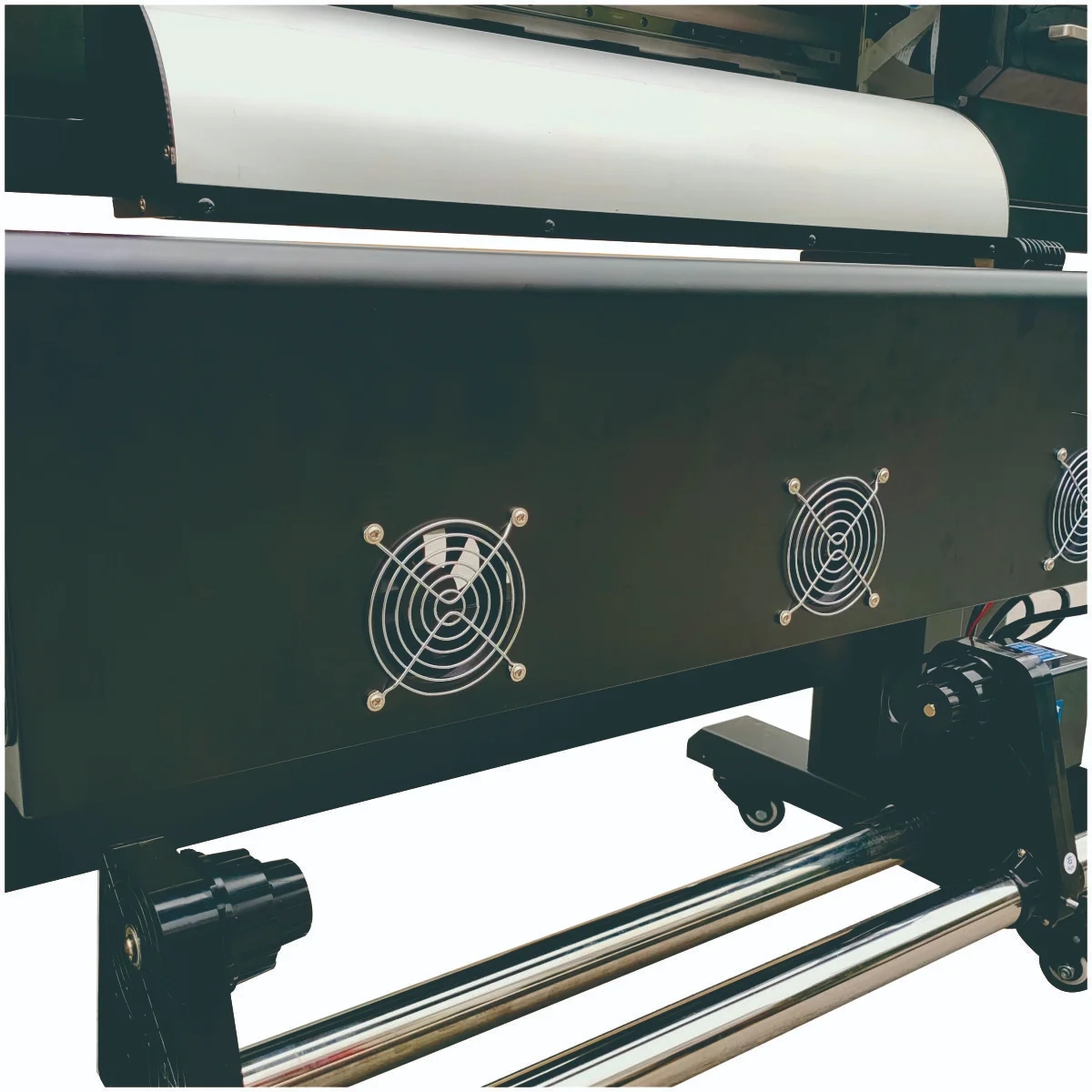
The visible machine structure includes an enclosed upper housing, a dark lower frame, and an open central section that exposes the print carriage area and media path. This layout is typical of industrial equipment designed to balance protection and accessibility. Enclosed panels help reduce exposure to dust and accidental contact, while open service zones make maintenance easier for technicians.
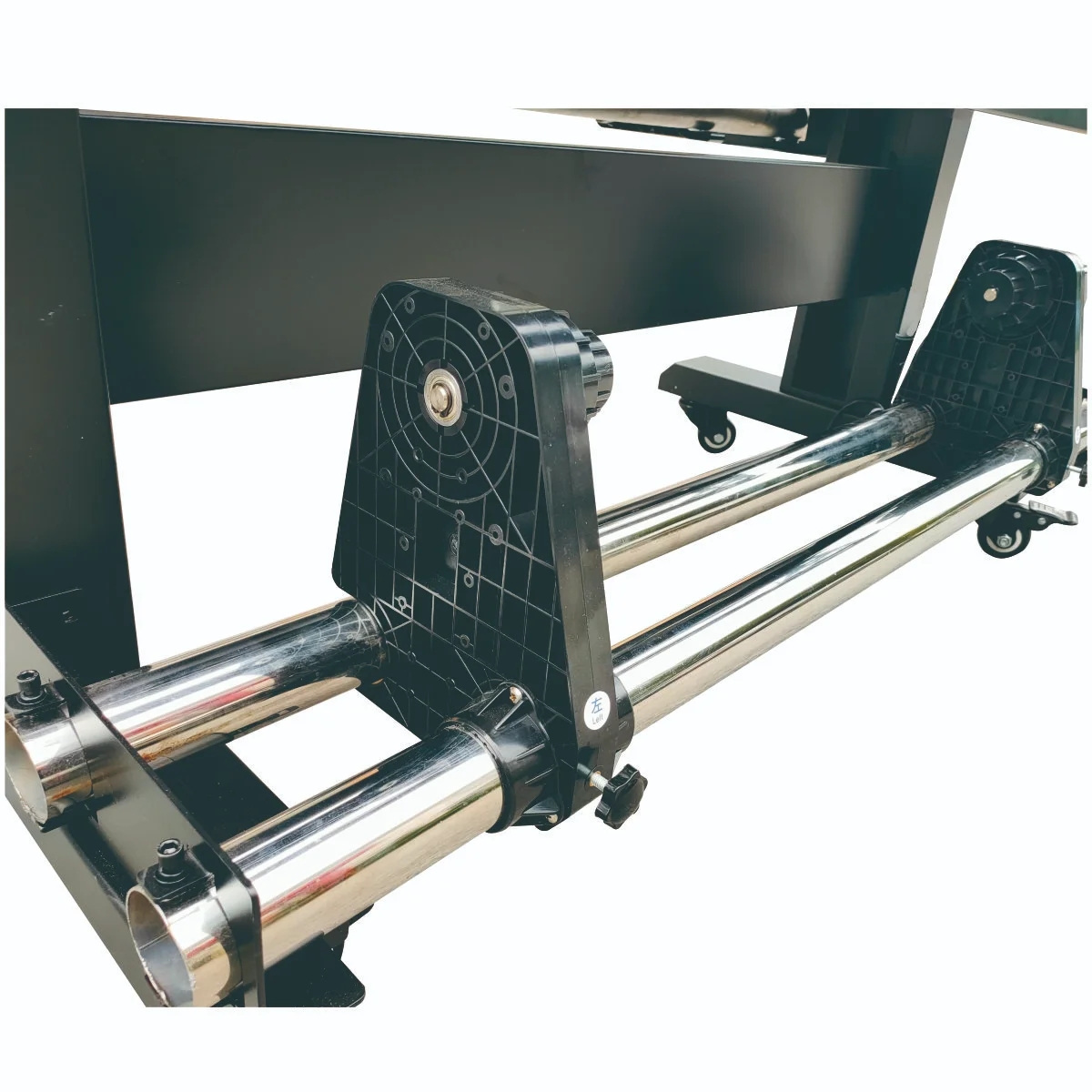
Also visible are feed and drive rollers, internal rails, a front control interface on the right side, and warning labels placed near operational zones. The lower support frame includes wheel-mounted castors, which can be useful in a production room where equipment may need to be repositioned for installation, cleaning, or layout changes. For a buyer managing a busy workshop, mobility can be a practical advantage.
Key capabilities buyers usually evaluate
Wide-format output path
The machine size and media path suggest support for large-format printing on roll-fed material. That matters for shops producing banners, posters, graphics, and other output where width is a core buying criterion.
Dual-head configuration
The model naming suggests double heads. In practice, buyers often look to this type of setup for better productivity, more flexible pass management, or improved production balance. The exact benefit depends on the final machine configuration, but dual-head systems are commonly chosen for commercial workflow demands.
Industrial frame and service access
A rigid body, visible rails, and front-access panels help support stable operation and simpler maintenance. When parts are easier to access, routine inspection tends to be less disruptive to production.
Mobile base
The integrated wheels are not a small detail. On a large machine, mobility can simplify installation planning and machine placement within a print shop.
Materials and finish options
From the visible construction, the enclosure appears to use painted or powder-coated sheet metal in white and dark gray or black. That finish is common in industrial printing equipment because it gives a clean surface, supports durability, and is easier to keep presentable in a production environment.
Metal rollers, rails, and structural components are visible in the media handling zone. These parts are important because they guide media movement and support the repeatable feed required for consistent output. For customers comparing equipment, the practical question is whether the machine body and transport system appear rigid enough for long production cycles. In this case, the visible construction suggests a serious industrial build.
Manufacturing and working principle
The product information indicates a digital inkjet-style large-format printer used for flexible media or sheet stock, but the exact print technology is not confirmed. Rather than assuming a specific ink system, the safer conclusion is that the machine is built around digital print carriage motion, media transport, and controlled output across a wide printable area.
In a typical setup like this, the workflow starts with media loading, alignment on the roller system, and file preparation at the control interface or connected RIP workflow. The print carriage then moves across the media path while the feed rollers advance material in controlled increments. That combination is what allows wide-format output on continuous rolls or similar stock.
Typical applications
This type of printer is relevant to a broad range of commercial production environments. Common application scenarios include:
sign and display production for indoor or outdoor advertising
posters and promotional graphics for retail and events
decals and decorative media for branded work
vehicle graphics and other large visual communication jobs
textile-related output where digital transfer or sublimation workflows may be used, depending on the final configuration
custom print shops that need faster turnaround on medium-to-large run jobs
For buyers serving multiple markets, a machine with this footprint can be valuable because it supports job diversification without requiring several separate devices for every format.
Quality control and production stability
With industrial printing equipment, output consistency depends on more than the print heads alone. Media tracking, frame stability, service access, and operator control all affect the final result. The visible enclosure and structured media path suggest a machine designed to keep critical components protected while maintaining accessible inspection points.
Buyers should still evaluate the usual production-control factors before purchase: alignment consistency, ease of cleaning, accessible maintenance points, and how the printer integrates into the rest of the workflow. Since no exact test data is provided, it would be inaccurate to promise specific registration accuracy, resolution, or output speed. What can be said is that the machine’s physical design appears aligned with industrial production use rather than entry-level operation.
Customization and buyer guidance
When evaluating a machine in this category, buyers should clarify several configuration points before ordering. The most important questions are the supported media width, ink or print system type, head configuration, feed control, and whether the machine is intended for a textile, sign, or general graphics workflow. Since the exact technology here is not confirmed, the buyer should request full technical details rather than relying only on the model naming.
Customization may also involve control panel language, workflow integration, accessory options, and workshop-fit details such as machine dimensions and service clearance. For a production manager, these are not minor extras; they determine how quickly the printer can be installed and how well it fits existing labor and material handling routines.
If the goal is digital textile production, then the buyer should confirm whether the machine is set up for sublimation-related processes or another textile-compatible method. If the goal is signage or display work, the focus should shift to media compatibility and finishing workflow. In both cases, the right decision comes from matching the printer to the actual production mix.
Decision factors before purchase
A practical buying decision should weigh output width, machine footprint, operator access, and serviceability. The XL-1300WX 1680WX 13200 double heads Digital printer/sublimation textile printer appears to address the physical side of production well, especially for shops needing a broad-format device with a stable frame and a usable maintenance layout.
Another factor is production volume. A dual-head industrial printer makes more sense when the shop has recurring demand and enough throughput to justify the equipment footprint. If the workload is mostly occasional, the buyer may need to compare operating complexity against actual utilization. For higher-volume print environments, though, this style of machine can become a central production asset.
Why this machine format matters to print shops
Large-format digital production is not only about size. It is about reducing handling steps, keeping work organized, and producing repeatable output with less manual intervention. A machine like this combines a wide media path with an enclosed industrial body and a mobile support structure, which is exactly the sort of design many B2B print buyers look for when they want dependable shop-floor equipment.
Even with limited confirmed specifications, the visible structure suggests a machine intended for real production use. That makes it suitable as a reference point for buyers comparing industrial printers for signage, graphics, and textile-related output.
Request more details or a quote
If you are evaluating the XL-1300WX 1680WX 13200 double heads Digital printer/sublimation textile printer for your workshop, request the full configuration sheet before making a final decision. Confirm print technology, supported media, head layout, software compatibility, and installation requirements. For buyers, those details matter more than the model name alone.
Send your material type, target output width, and daily production volume to get a suitable configuration recommendation. That is the fastest way to determine whether this wide-format printer matches your actual business needs.